Food & Water Safety in Sri Lanka
Eat Sri Lankan street food without getting sick: choosing stalls and restaurants, tap water, ice, salads, bottled water prices and what to do if your stomach rebels.
Sri Lankan food is one of the best reasons to visit: rice and curry with half a dozen dishes, crispy hoppers, kottu clattering on the griddle, and fresh fruit everywhere. Most travellers eat it happily for weeks. A bad stomach usually comes from water, food that has sat around in the heat, or simply eating too much spicy food too fast. Here's how to eat like a local and stay well.
At a Glance
- Water: drink bottled or filtered water, not tap water
- Street food: choose busy stalls that cook to order
- Ice: usually fine in hotels and established restaurants; skip it at tiny roadside stalls
- Raw salads and cut fruit: fine where you trust the kitchen; peel your own fruit elsewhere
- Bottled water costs at most Rs 80 for 500 ml (2026 legal maximum)
- If you get sick: rehydrate with oral rehydration salts (the local brand is Jeewani), and see a doctor if you have a high fever, blood in your stool or can't keep fluids down
Water
Tap water
Colombo's water board says its treated water meets safety standards, but pipes, storage tanks and supply cuts vary a lot, and outside the main towns water may come from wells or tanks. Visitors are generally advised not to drink tap water. Brushing your teeth with it is usually fine in good hotels, but if you have a sensitive stomach, use bottled water.
Bottled water
Bottled water is sold everywhere. Check the seal is intact before you drink. A June 2026 government gazette set maximum retail prices for locally bottled water:
| Size | Maximum price |
|---|---|
| 500 ml – 999 ml | Rs 80 |
| 1 L – 1.49 L | Rs 120 |
| 2 L – 2.49 L | Rs 180 |
| 5 L – 6.99 L | Rs 400 |
The price is printed on the label. Charging more is illegal, and in 2026 several hotels, restaurants and even a railway caterer were fined for overcharging. If you're asked to pay far more, point to the printed price.
Cutting plastic
Many hotels and cafés offer filtered water refills, and a filter bottle is a good investment for longer trips. Buying 5-litre jugs for your room is cheaper and creates less waste than small bottles.
Restaurants
- Follow the locals. A busy place full of Sri Lankan families at lunchtime means fresh food and high turnover.
- Look for a hygiene grade. Under the Health Ministry's inspection system, food outlets can be graded (A is best) by Public Health Inspectors, and some display the certificate. Displaying it is voluntary, so its absence doesn't mean a place is bad.
- Use your eyes. Look for clean tables, covered food, staff handling food with utensils, and no flies on the displays.
- Lunch is the main meal. Rice and curry is cooked fresh in the morning for lunch. By evening, buffet curries may have sat for hours. In the evening, choose dishes cooked to order, such as kottu, fried rice, hoppers or devilled dishes.
Street Food
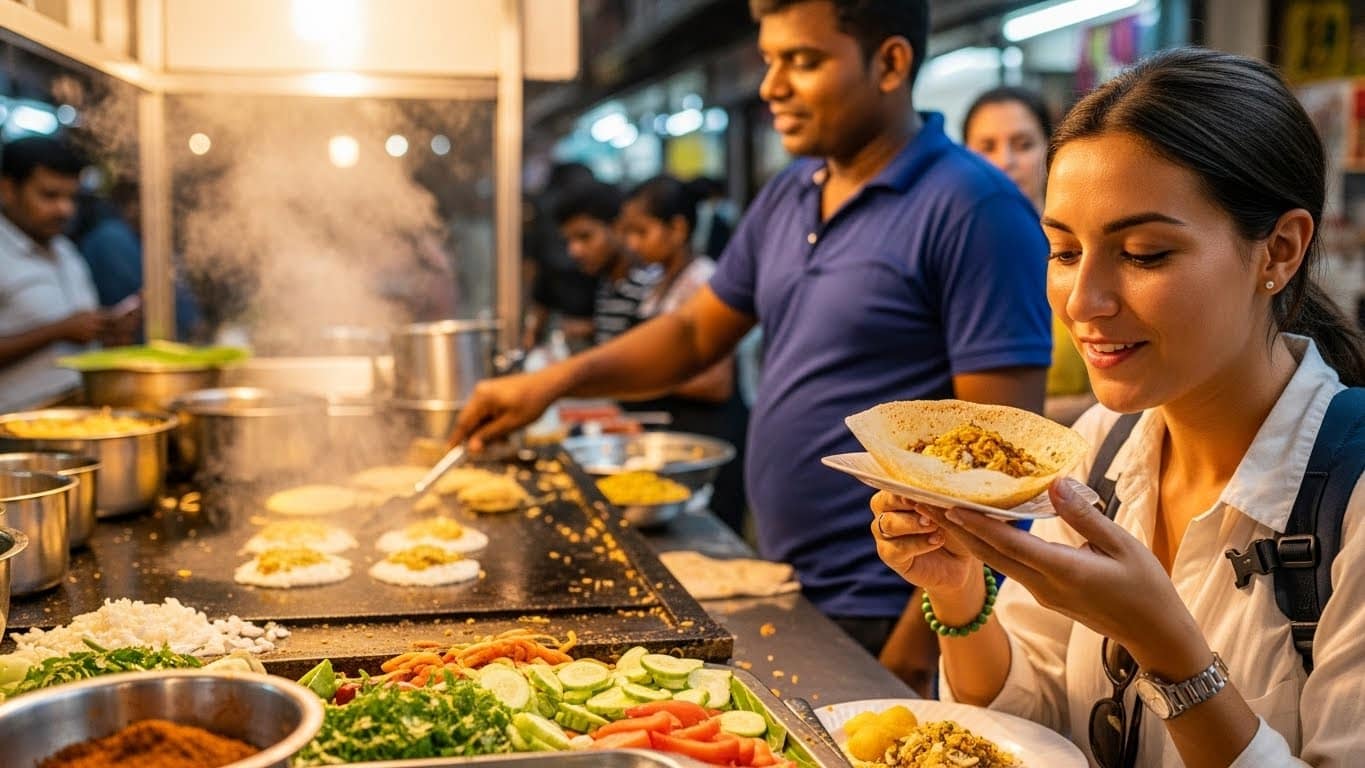
Street food is some of the best food on the island. To choose well:
- Cooked to order and served hot: kottu, egg hoppers, string hoppers, isso vadai (prawn fritters) straight from the oil, and roasted corn.
- High turnover: a queue of locals is the best recommendation.
- Avoid lukewarm food that has been sitting in a glass case for hours, especially anything with fish, meat, egg or mayonnaise.
- "Short eats" (pastries, rolls, patties) in bakery cases are usually fine fresh in the morning. Be choosier later in the day.
- Fresh juices may be made with tap water or ice. Ask for "no water, no ice," or drink king coconut (thambili), which is opened in front of you.
Ice, Salads and Fruit
- Ice: Hotels, chain cafés and established restaurants use factory-made ice from treated water. Skip ice at small roadside stalls.
- Salads: Fine in good hotels and restaurants. Be cautious with raw salads at small eateries where you can't see how they were washed.
- Fruit: Fruit you peel yourself (bananas, mangosteen, rambutan, mango) is always safe. Pre-cut fruit from carts in the heat is riskier.
Seafood and Meat
- Choose seafood at busy places by the coast, ideally grilled or curried in front of you.
- Avoid raw or undercooked shellfish.
- Make sure chicken and pork are cooked through and served hot.
Spice
Sri Lankan curries can be very spicy, and a sudden jump in chilli upsets many stomachs.
- Ask for "less spicy" ("saera adu karanna" in Sinhala). Guesthouses will happily tone it down.
- Pair spicy dishes with rice, dhal, curd (buffalo yoghurt) or coconut sambol.
- Build up slowly over the first few days.
Guesthouse and Homestay Meals
Home-cooked rice and curry at a family guesthouse is often the best (and safest) food you'll eat. Tell your hosts about allergies or dietary needs clearly; vegetarian food is easy to find and widely understood. If you're vegan, mention ghee and fish products such as Maldive fish (dried tuna), which is used in many sambols and curries.
If Your Stomach Rebels
Mild travellers' diarrhoea usually settles in one to three days.
- Rehydrate with oral rehydration salts. Jeewani sachets are sold in every pharmacy. King coconut water helps too.
- Eat plain food such as rice, bananas, toast and plain dhal.
- Rest, and avoid alcohol and very spicy food for a day or two.
See a doctor if you have a high fever, blood in your stool, severe stomach pain, symptoms lasting more than three days, or can't keep fluids down. With any fever, get tested for dengue and take only paracetamol until it's ruled out. Pharmacies and private hospitals in most towns can help quickly. Our tropical health guide has more detail.
Food Etiquette
- Sri Lankans traditionally eat rice and curry with the right hand. Give it a try; restaurants always have cutlery too.
- Wash your hands before and after eating. Most eateries have a basin.
- Accept food and drink with your right hand.
- Small tips (around 10%) are appreciated in restaurants. Many already add a service charge, so check your bill.
FAQ
Can I drink tap water? It's best not to. Use bottled or filtered water.
Is street food safe? Yes, if you choose busy stalls that cook food fresh and serve it hot.
Is ice safe? Usually, in hotels and established restaurants. Skip it at small roadside stalls.
What's the safest first meal? Fresh rice and curry at a busy lunch spot, or kottu cooked in front of you.
Can vegetarians eat well? Very well. Dhal, vegetable curries, hoppers and roti are everywhere.
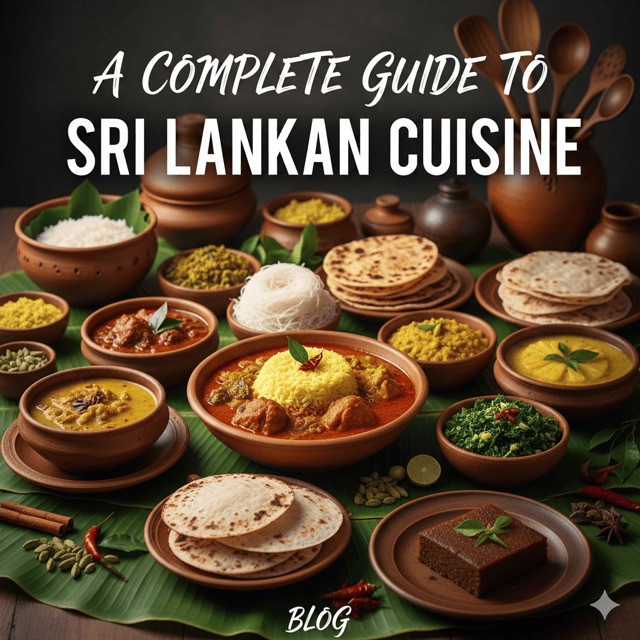
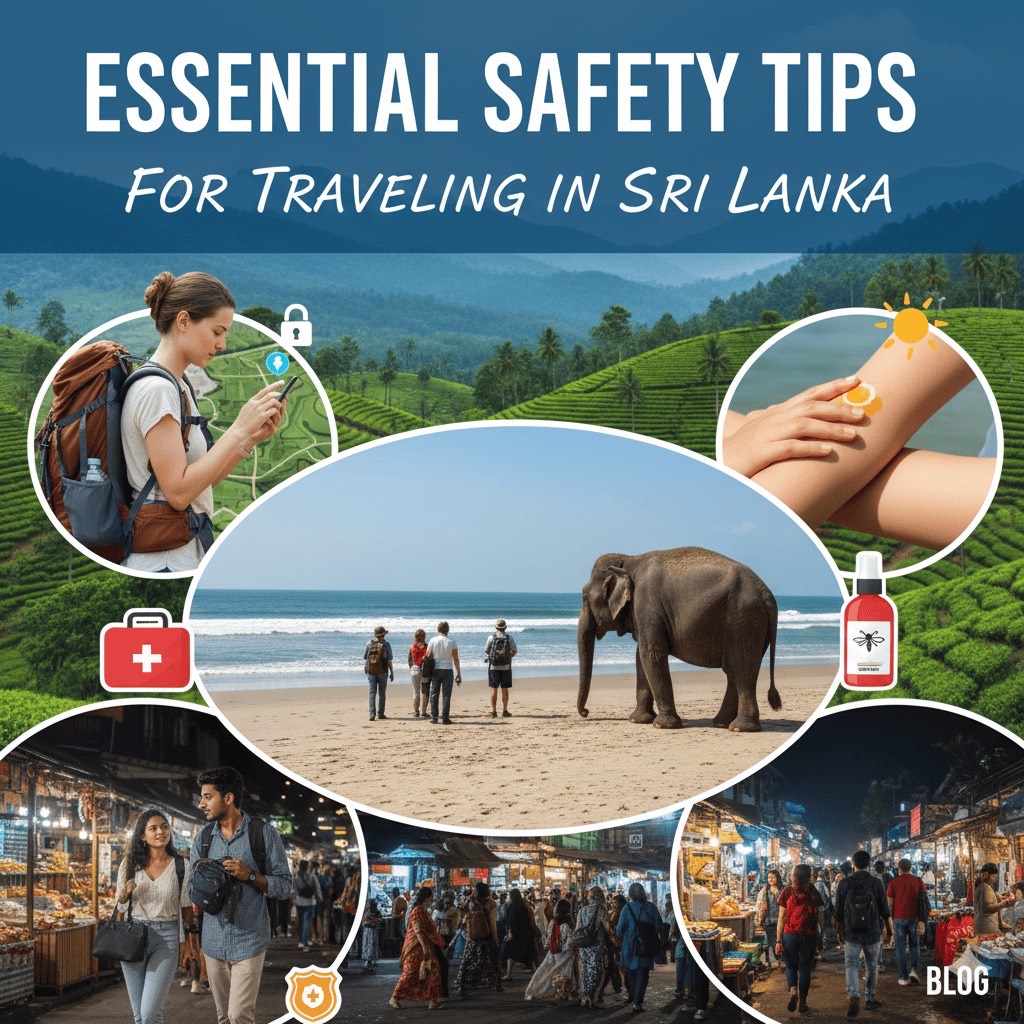
Want to know what to order? Read our complete Sri Lankan food guide. For general safety tips, see our Sri Lanka travel safety guide. The Sri Lanka Safe app includes curated places to eat and fair-price guidance across the island.
Travel Sri Lanka with Sri Lanka Safe
Fair tuk-tuk prices, scam alerts, offline emergency contacts and AI trip planning, in one free app.