Sri Lankan Food: 15 Dishes You Must Try
The Sri Lankan dishes worth travelling for: rice and curry, hoppers, kottu, lamprais and more, with what to drink, regional specialities, 2026 prices and etiquette.
Sri Lankan food is bold, fresh and quite unlike its neighbours'. It shares spices with South India, but the island's cooking relies more on coconut, curry leaves, goraka (a sour fruit) and Maldive fish, with Dutch, Portuguese, Malay and Arab influences mixed in. Here's what to order, where to find it and how to eat it like a local.
At a Glance
- Signature meal: rice and curry at lunchtime
- Breakfast: hoppers, string hoppers or milk rice
- Evening: kottu, fresh hoppers and short eats
- Budget (2026): local rice and curry around LKR 500–900; kottu around LKR 800–1,500; tourist-restaurant mains LKR 2,000–4,500
- Vegetarians: spoiled for choice
- Spice: often hot. Ask for "less spicy" and it'll be toned down
15 Dishes to Try
1. Rice and curry
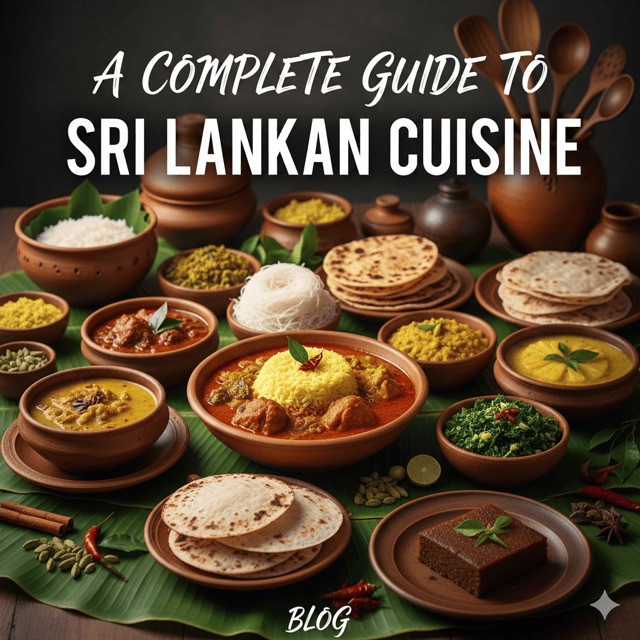
The national meal: a mound of white or red rice with three to six small curries, typically dhal, a couple of vegetables, a meat or fish curry, a sambol and a papadam. Every bite is a different mix. It's best at lunch (around 11:30 am to 2 pm), when everything has just been cooked. Look for small "rice and curry" shops packed with office workers.
2. Hoppers (appa)
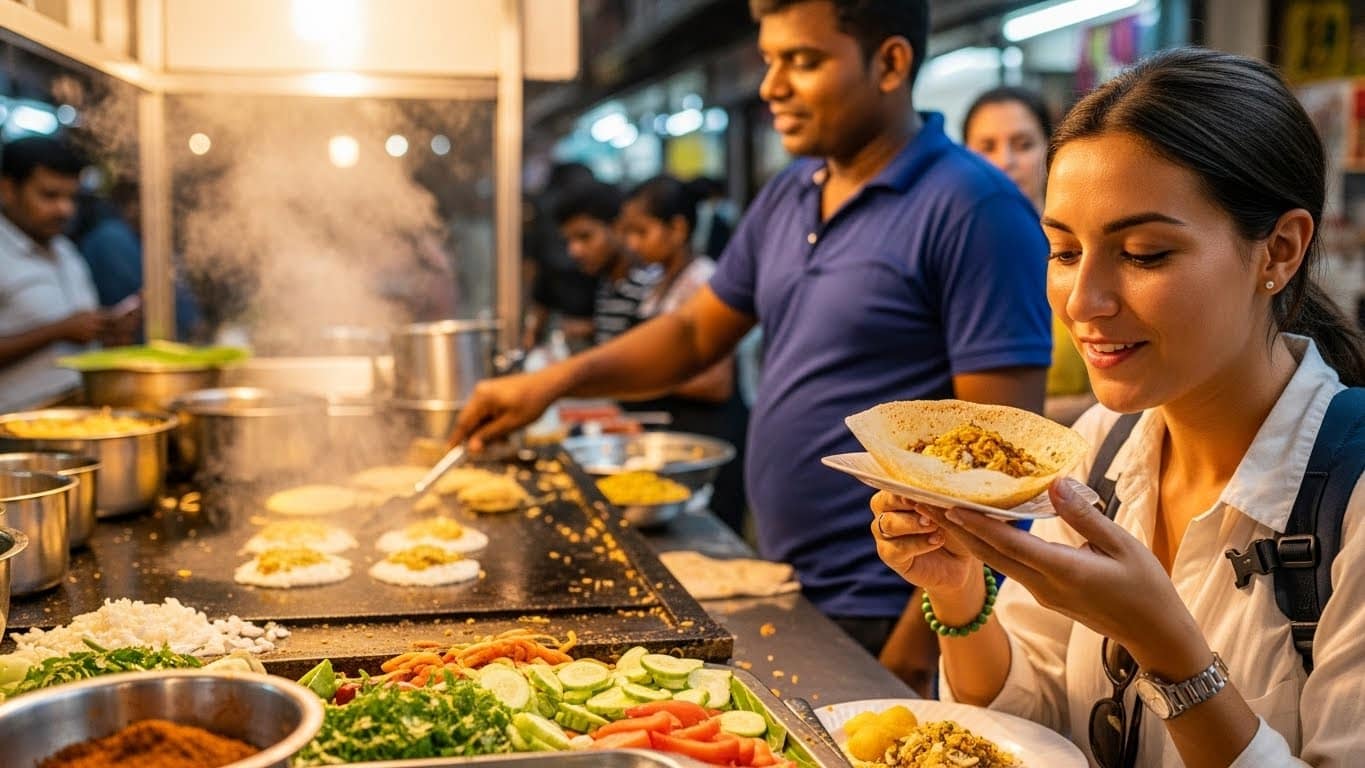
Bowl-shaped pancakes of fermented rice flour and coconut milk, with lacy, crisp edges and a soft centre. Order an egg hopper, with an egg cooked in the middle, and eat it with lunu miris (chilli-onion relish) or seeni sambol (sweet caramelised onion). They're made fresh in the morning and evening.
3. String hoppers (indi appa)
Nests of steamed rice-flour noodles, eaten at breakfast or dinner with kiri hodi (a mild coconut-milk gravy), dhal and pol sambol. They're gentle on the stomach and good for spice beginners.
4. Kottu roti
The sound of Sri Lankan evenings: chopped flatbread stir-fried on a hot griddle with vegetables, egg, meat and spices, chopped with two metal blades in a loud clack-clack-clack. Try chicken, egg, vegetable or the indulgent cheese kottu. Choose a busy place where it's made to order.
5. Lamprais
A Dutch Burgher speciality whose name comes from the Dutch lomprijst ("lump of rice"). Rice cooked in stock, meat curry, frikkadels (meatballs), eggplant pickle and sambol are wrapped in a banana leaf and baked. It's usually available at lunchtime, and some places need you to order a day ahead.
6. Pol sambol
Fresh grated coconut pounded with chilli, red onion, lime and Maldive fish. It's served with almost everything, and it's the quickest way to brighten plain rice or bread.
7. Dhal curry (parippu)
Red lentils simmered with coconut milk and tempered with mustard seeds, curry leaves and dried chilli. It's mild, creamy and on every table. Your safe harbour when the other curries are fiery.
8. Fish ambul thiyal
A southern speciality from the Galle and Matara area. Firm fish such as tuna is cooked dry with goraka, black pepper and spices until dark and tangy. It was originally a way to preserve fish without refrigeration.
9. Wambatu moju
Fried eggplant in a sweet, sour and spicy pickle with mustard seed and vinegar. It's often served at celebrations, and it's addictive alongside rice.
10. Isso vadai
Crunchy lentil fritters topped with whole prawns, fried to order on the beaches of Galle Face, Negombo and Mount Lavinia. Eat them hot, with a squeeze of lime and chilli.
11. Kiribath (milk rice)
Rice cooked in thick coconut milk and cut into diamonds, eaten with lunu miris. It's a breakfast staple, and the traditional first meal of the Sinhala and Tamil New Year in April and of other auspicious days.
12. Jaffna crab curry
Northern Tamil cooking at its boldest: big lagoon crabs in a dark, peppery, roasted-spice gravy. You can find it in Jaffna and at specialist restaurants in Colombo.
13. Devilled dishes
Sri Lanka's sweet-spicy stir-fry with onions, peppers and chilli sauce, made with chicken, prawns, cuttlefish or cashews. It's a bar and dinner favourite, best with an ice-cold Lion Lager.
14. Curd and treacle
Thick, tangy buffalo-milk curd set in clay pots and drizzled with kithul treacle, a smoky palm syrup. Look for roadside stalls on the road between Colombo and the south coast, and in the hill country.
15. Watalappan
A Malay-influenced steamed custard made with coconut milk, jaggery, cardamom and nutmeg. It's especially popular during Ramadan and Eid, and it's on many dessert menus all year.
Street Snacks and "Short Eats"
Bakeries and tea shops stack glass cases with short eats: fish rolls, fish buns, patties, cutlets, samosas and vadai. Pick a few with tea in the afternoon. They're best fresh in the morning or straight out of the fryer.
Other snacks to try: godamba roti (thin, stretchy flatbread), roasted corn on the cob, spicy achcharu (fruit pickle with chilli), and masala vadai.
What to Drink
- Ceylon tea: Strong and milky with sugar is the local way. Visit a tea estate in Nuwara Eliya, Ella or Haputale to taste it fresh.
- King coconut (thambili): Sweet, orange coconuts sold at roadside stalls everywhere. It's the best drink on a hot day.
- Fresh juices: Lime, passion fruit, wood apple, papaya and mango. Ask for "no ice, no water" at small stalls.
- Faluda: A rose-syrup milk drink with jelly and basil seeds, sweet and fun.
- Ginger beer: The local Elephant House EGB is spicier than most.
- Lion Lager: The national beer.
- Arrack: A spirit distilled from coconut toddy, usually drunk with ginger beer or soda.
Alcohol isn't sold on Poya (full-moon) days, which happen every month, and many bars close. Plan accordingly.
Our temple etiquette and local laws guide explains Poya days in more detail.
Vegetarian and Vegan Food
Sri Lanka is easy for vegetarians. Most rice-and-curry spreads are mostly vegetables, and dhal, jackfruit curry (polos), beetroot, green beans, pumpkin, okra and leafy mallung are everyday dishes. For vegans, ask about ghee, milk in some curries, and Maldive fish in sambols and some vegetable curries. "No fish, no egg, no milk" usually gets the message across.
Spice Survival
- Ask for "less spicy," or "saera adu karanna" in Sinhala.
- Mix spicy curries with plenty of rice, dhal and a spoon of coconut sambol.
- Curd, king coconut and lassi soothe more than water.
- Start with milder dishes (string hoppers, kiri hodi, dhal) in the first few days.
Regional Specialities
- Colombo: The most varied food scene on the island, with lamprais, crab, seafood, upscale Sri Lankan dining, and evening snacks at Galle Face Green.
- Jaffna and the north: Tamil cooking with roasted curry powders, crab and seafood, odiyal kool (a seafood soup thickened with palmyra flour) and great dosai.
- The south coast: Fish ambul thiyal, grilled seafood by the beach, and curd and treacle.
- The hill country: Fresh vegetables from the cool upland farms, tea-estate lunches, and strawberries in Nuwara Eliya.
- The east coast: Muslim and Tamil influences, with spicy seafood and biryani in towns like Kattankudy and Batticaloa.
Eating Like a Local
- Use your right hand. Locals mix rice and curry with their fingertips. Cutlery is always available.
- Lunch is the main meal, and dinner is lighter and later (7:30 to 9 pm).
- Tipping: Many restaurants add a 10% service charge. If not, around 10% is appreciated for good service.
- Ask your guesthouse to cook. Home-made rice and curry is often the best meal of the trip.
Food Markets
- Pettah, Colombo: Busy streets of spice sellers, fruit, dried fish and street snacks. Go in the morning, and watch your bag in the crowds.
- Kandy Municipal Central Market: Fruit, vegetables, spices and dried fish near the town centre.
- Weekly pola (village markets): Held in most towns. Ask your host which day it's on.
Cooking Classes
Many guesthouses in Ella, Kandy, Galle and the south coast run half-day cooking classes, often starting with a market trip or a garden visit. You'll typically cook rice, three or four curries, a sambol and a dessert. It's a great way to learn to replicate the food at home.
How Much Food Costs (2026)
| What | Typical price |
|---|---|
| Rice and curry, local shop | LKR 500–900 |
| Kottu | LKR 800–1,500 |
| Hopper / egg hopper | LKR 50–150 / LKR 150–250 |
| Short eats | LKR 100–250 each |
| King coconut | LKR 150–250 |
| Main course, tourist restaurant | LKR 2,000–4,500 |
| Lion Lager in a bar | LKR 800–1,500 |
Prices are higher in Colombo's upscale areas, Galle Fort and beach hotspots like Mirissa.
FAQ
Is Sri Lankan food very spicy? Often, yes, but it's easy to ask for less spice. Dhal, string hoppers and kiri hodi are mild.
What should I eat for breakfast? Hoppers, string hoppers or kiribath with lunu miris, plus a strong cup of tea.
Is street food safe? Yes, if it's busy and cooked fresh. See our food and water safety guide.
Can I find vegetarian food easily? Very easily. Vegans should ask about ghee, milk and Maldive fish.
What's one dish I can't leave without trying? A proper lunchtime rice and curry, followed by an egg hopper that evening.
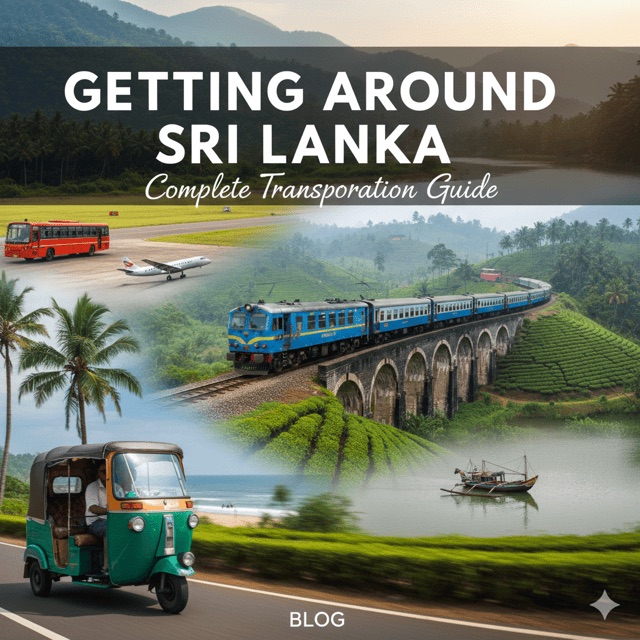
Planning where to eat along your route? Our transport guide has a classic two-week itinerary.
Sri Lankan food is reason enough to visit. Eat where the locals eat, start gently with the spice, and say yes when your guesthouse host offers to cook. The Sri Lanka Safe app includes curated places to eat across the island.
Travel Sri Lanka with Sri Lanka Safe
Fair tuk-tuk prices, scam alerts, offline emergency contacts and AI trip planning, in one free app.