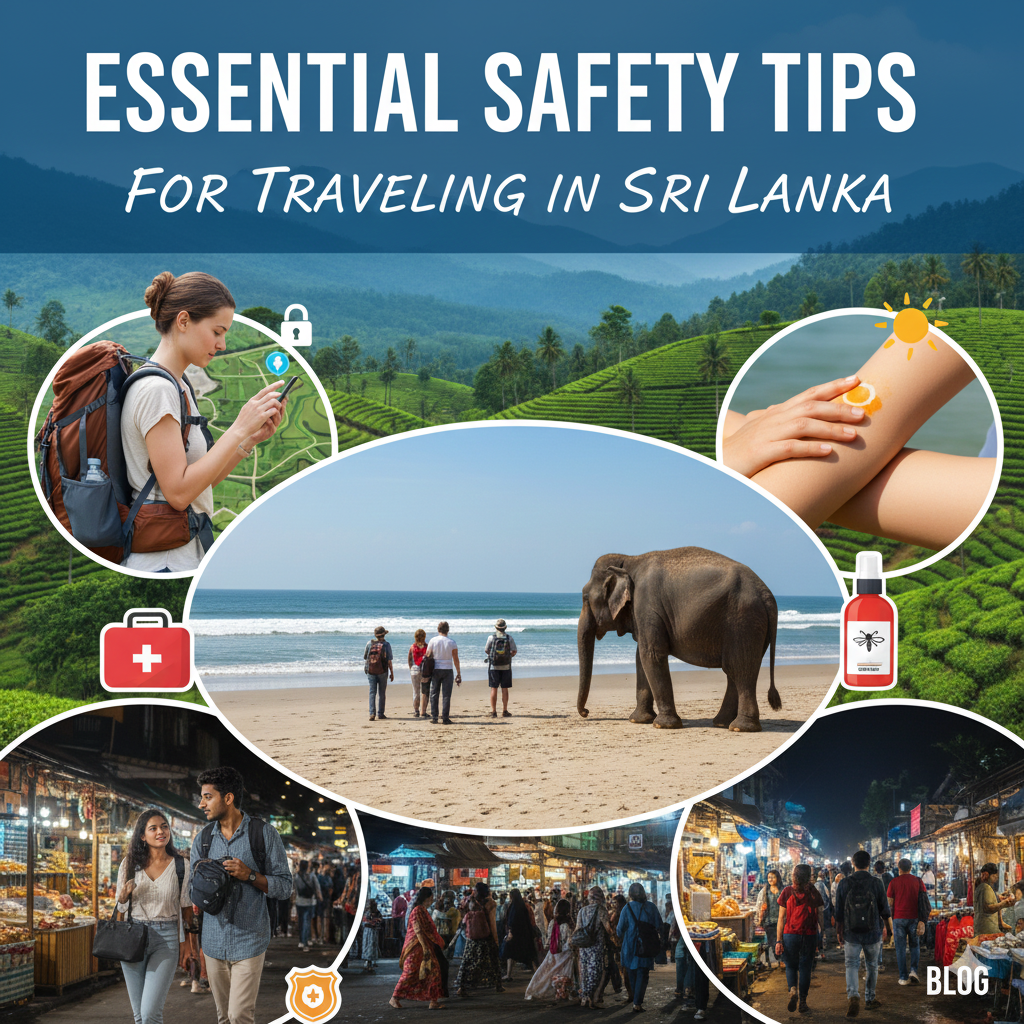
Essential Safety Tips for Traveling in Sri Lanka: A Complete Guide
Stay safe during your Sri Lanka adventure with our comprehensive safety guide. Learn about common scams, health precautions, emergency contacts, and practical tips for a worry-free trip.
Essential Safety Tips for Traveling in Sri Lanka: A Complete Guide
Sri Lanka is a gem of an island nation that welcomes over 2 million tourists annually – and for good reason. With its pristine beaches, ancient temples, wildlife-rich national parks, and warm hospitality, it's no wonder travelers fall in love with this paradise. But like any destination worth visiting, a little preparation goes a long way in ensuring your trip is as safe as it is memorable.
Quick Reality Check: Sri Lanka is generally very safe for tourists. Violent crime against visitors is extremely rare, and most travelers experience nothing but warm welcomes and smooth travels. This guide isn't meant to scare you – it's meant to empower you with knowledge so you can explore with confidence.
In this comprehensive guide, we'll cover everything from avoiding common tourist scams to staying healthy, respecting local customs, and knowing what to do in emergencies. Let's dive in!
🎭 Common Tourist Scams to Avoid
Sri Lankans are among the friendliest people you'll ever meet, but a few bad apples can spoil the experience. Here are the most common scams tourists encounter – and more importantly, how to avoid them.
💎 The Gem Shop Scam
How it works:
- A friendly local approaches you and offers a "free" ride or tour
- They "casually" mention their friend's gem shop along the way
- You're taken to a shop where high-pressure sales tactics are used
- Gems are often overpriced, fake, or of lower quality than claimed
- You may be pressured into spending hundreds or thousands of dollars
🛡️ How to protect yourself:
- Politely but firmly decline unsolicited offers for free rides or tours
- If you're interested in gems, research reputable dealers beforehand
- Visit the National Gem and Jewellery Authority for certified dealers
- Never buy gems on impulse or under pressure
- Remember: if it sounds too good to be true, it probably is
🛺 Tuk-Tuk Overcharging
How it works: Drivers at tourist hotspots often quote inflated prices, sometimes 3-5 times the actual fare. They may also take longer routes to increase the meter.
🛡️ How to protect yourself:
- Ask your hotel or guesthouse for approximate fares before traveling
- Always agree on the price before getting in (or confirm the meter will be used)
- Use ride-hailing apps like PickMe or Uber when available – prices are fixed
- Learn the going rate: approximately LKR 100-150 per kilometer
- Carry small change to avoid "no change" excuses
🏛️ The Unofficial Temple Guide
How it works: At popular temples, unofficial "guides" may approach you, provide unsolicited information about the site, and then demand payment afterwards – often at inflated prices.
🛡️ How to protect yourself:
- Politely decline with a simple "No thank you, I prefer to explore on my own"
- If you want a guide, hire officially licensed ones through your hotel or temple office
- Official guides typically wear identification badges
- Agree on a price upfront if you do engage a guide
💱 Currency Exchange Scams
How it works: Some unofficial money changers may give you incorrect change, use outdated exchange rates, or short-change you when you're distracted.
🛡️ How to protect yourself:
- Use banks, airport exchange counters, or authorized exchange bureaus only
- Count your money carefully before leaving the counter
- Check the current exchange rate on your phone before exchanging
- Avoid exchanging money with street vendors or unlicensed individuals
- Consider withdrawing from ATMs for better rates (but check with your bank about fees)
🏥 Health and Medical Safety
Staying healthy during your Sri Lankan adventure is mostly about common sense and a little preparation. Here's everything you need to know to keep yourself in top shape.
💉 Vaccinations to Consider
Consult your doctor 4-6 weeks before travel to discuss these recommended vaccinations:
| Vaccination | Why It's Important |
|---|---|
| Hepatitis A | Contaminated food and water can transmit this virus |
| Hepatitis B | Important if you might have medical procedures or intimate contact |
| Typhoid | Recommended for most travelers, especially rural areas |
| Tetanus | Make sure your booster is up to date |
| Japanese Encephalitis | Consider if visiting rural areas for extended periods |
| Rabies | If you'll be around animals or in remote areas |
Pro Tip: Even if you're traveling last-minute, it's still worth seeing a travel clinic. Some vaccinations offer partial protection even if administered closer to your departure date.
🥤 Food and Water Safety
Sri Lankan cuisine is incredible, but a few precautions will keep your stomach happy:
✅ DO:
- Drink only bottled water (brands like Keells Super, Elephant House are reliable)
- Eat freshly cooked, hot food
- Peel fruits yourself or wash them with purified water
- Choose busy restaurants – high turnover means fresher food
- Wash your hands frequently or carry hand sanitizer
❌ AVOID:
- Tap water (even for brushing teeth in rural areas)
- Ice in drinks at smaller establishments
- Food that's been sitting out at room temperature
- Raw or undercooked meat and seafood
- Salads at street vendors (unless you're confident about their water source)
Street Food Strategy: Start with well-cooked items like kottu roti or hoppers from busy vendors. Once your stomach adjusts, you can be more adventurous. Look for vendors who cook food fresh in front of you.
🦟 Mosquito-Borne Diseases
Dengue fever is present in Sri Lanka, particularly in urban areas. Protect yourself:
Prevention Measures:
- Use mosquito repellent with 20-50% DEET on exposed skin
- Wear long sleeves and pants, especially at dawn and dusk
- Stay in accommodations with air conditioning or window screens
- Use mosquito nets if provided (many guesthouses have them)
- Eliminate standing water around your accommodation
Symptoms to Watch For: High fever, severe headache, joint/muscle pain, rash. Seek medical attention immediately if you experience these – early treatment is crucial.
☀️ Sun Protection
The Sri Lankan sun is no joke, especially near the equator:
Daily Essentials:
- Apply broad-spectrum sunscreen (SPF 30+) every 2 hours
- Wear a wide-brimmed hat and UV-protective sunglasses
- Seek shade during peak hours (10 AM – 4 PM)
- Drink plenty of water – aim for 2-3 liters daily
- Consider lightweight, long-sleeved clothing for extra protection
Heat Safety:
- Take breaks in air-conditioned spaces during the hottest part of the day
- Watch for signs of heat exhaustion: dizziness, nausea, rapid heartbeat
- Carry electrolyte packets to replenish salts lost through sweating
🚗 Road and Transportation Safety
Getting around Sri Lanka is part of the adventure, but the roads here can be challenging for unaccustomed visitors. Here's how to stay safe on the move.
Understanding Sri Lankan Roads
Key Facts:
- Driving side: Left (like UK, Australia, Japan)
- Road conditions: Range from excellent highways to rough rural roads
- Driving style: Can be aggressive with frequent honking
- Common hazards: Stray dogs, cows, chickens, and unexpected obstacles
🚗 Should You Self-Drive?
Our recommendation: Probably not.
Unless you're experienced with driving in developing countries and confident with left-hand traffic, hiring a driver is safer, more relaxing, and often surprisingly affordable.
Benefits of Hiring a Driver:
- Local knowledge of routes, traffic patterns, and shortcuts
- No stress navigating unfamiliar roads
- They can act as informal guides and recommend stops
- Cost is often comparable to car rental + fuel + potential damage
If You Do Self-Drive:
- Get an International Driving Permit before you go
- Consider renting a car with a driver for at least the first few days
- Avoid driving at night – poor lighting and unexpected hazards
- Use GPS apps like Google Maps or Waze, but also ask locals for route advice
🛺 Tuk-Tuk Safety Tips
- Always wear a helmet if riding a motorcycle or scooter
- Hold on tight – tuk-tuks can make sharp turns
- Avoid standing tuk-tuks (only sit in designated seats)
- Don't overload – maximum 3 passengers in most tuk-tuks
- Negotiate price or confirm meter BEFORE the ride starts
🚌 Public Transportation
- Buses: Cheap but can be crowded and fast. Keep valuables secure.
- Trains: Generally safe and scenic. Book first-class for long journeys.
- Crossing Roads: Be extra cautious – traffic may not stop for pedestrians
🛵 Scooter and Motorcycle Rentals
Only if you're an experienced rider:
- Always wear a helmet (it's the law and saves lives)
- Check the vehicle thoroughly before renting
- Ensure you have proper insurance coverage
- Avoid riding at night or in heavy rain
- Never drink and drive – blood alcohol limits are strictly enforced
🏖️ Beach and Water Safety
Sri Lanka's beaches are stunning, but the ocean demands respect. Every year, tourists get into trouble by underestimating the power of the sea.
🌊 Swimming Safety
Before You Enter the Water:
- Always swim at beaches with lifeguards – they know local conditions
- Check warning flags and signs
- Ask locals about current conditions
- Never swim alone
- Avoid swimming after consuming alcohol
Understanding the Dangers:
| Hazard | What to Watch For | What to Do |
|---|---|---|
| Rip Currents | Calm channels between breaking waves | Don't fight it – swim parallel to shore, then back to land |
| Strong Waves | Powerful shore break, especially during monsoon | Stay in shallow water or watch from the beach |
| Undercurrents | Pulls you away from shore | Signal for help, conserve energy, float if needed |
🚨 If You Get Caught in a Rip Current:
- Don't panic – most rip current fatalities are from exhaustion, not the current itself
- Don't fight against it – you won't win
- Swim parallel to the shore until you're out of the current
- Then swim back to shore at an angle
- If you can't escape, float or tread water, wave and call for help
🐚 Marine Life Awareness
Jellyfish:
- More common during monsoon seasons (May-September on west/south coasts)
- If stung, rinse with vinegar (not fresh water) and seek medical help if severe
- Check with lifeguards about current conditions
Sea Urchins:
- Wear water shoes or sandals when entering/exiting water
- Step carefully on rocky areas
- If stepped on, seek medical help – don't try to remove spines yourself
Coral Reefs:
- Never touch or stand on coral – it's fragile and can be sharp
- Use reef-safe sunscreen to protect marine ecosystems
- Admire from a distance – don't disturb marine life
🏄♂️ Water Sports Safety
- Only use reputable operators with proper equipment
- Check that life jackets are provided and in good condition
- Ensure instructors are certified
- Listen carefully to safety briefings
- Know your limits – don't attempt advanced activities without proper training
🐘 Wildlife Safety
One of Sri Lanka's biggest draws is its incredible wildlife. From elephants to leopards to exotic birds, the island is teeming with life. But remember: these are wild animals, and they deserve your respect and caution.
🐘 Asian Elephants
The Gentle Giants (That Can Be Dangerous)
Sri Lanka has the highest density of wild elephants in Asia. While encounters are magical, they can also be deadly if not handled properly.
🚨 Critical Rules:
- NEVER approach wild elephants – maintain at least 50 meters distance
- NEVER feed wild elephants – it habituates them to humans and creates dangerous situations
- Stay in your vehicle during safaris – no exceptions
- Follow your guide's instructions without question
- Never block an elephant's path – give them right of way
If You Encounter Elephants Outside Safari:
- Stay calm and move away slowly
- Don't run – elephants can outrun you
- Don't make sudden movements or loud noises
- If an elephant charges, find solid cover (large tree, building, vehicle)
- Never get between a mother and her calf – this is extremely dangerous
🐒 Monkeys
The Cute Thieves
Monkeys are everywhere in Sri Lanka – temples, hotels, streets. They're adorable but notorious thieves.
Monkey-Proofing:
- Never feed them – it encourages aggressive behavior
- Secure all food in your room (use fridge or sealed containers)
- Keep balcony doors closed when not in room
- Don't leave valuables unattended (phones, sunglasses, cameras)
- Zip your bags – they're surprisingly good at opening zippers
- Avoid direct eye contact (they see it as a challenge)
- Don't show food openly – they're opportunistic
If a Monkey Approaches:
- Back away slowly while facing the monkey
- Don't turn your back or run
- Make yourself appear larger if necessary
- If they grab something, don't try to wrestle it back – let them have it
🐍 Snakes
Rare but Real Risk
Sri Lanka is home to several venomous snake species, including cobras and vipers. However, encounters are extremely rare for tourists.
Prevention:
- Watch where you step, especially in rural or forested areas
- Don't put hands in holes, under rocks, or into dense vegetation
- Wear closed shoes when hiking (not sandals)
- Use a flashlight at night in rural areas
- Shake out shoes, towels, and bedding before use
If Bitten:
- Seek immediate medical attention – don't wait
- Try to remember the snake's appearance (color, size, markings)
- Don't try to suck out the venom or cut the wound
- Don't apply ice or tourniquets
- Stay calm and keep the bitten limb immobilized
- Call emergency services or go to the nearest hospital immediately
🦎 Other Wildlife
Leopards:
- Extremely rare to see, let alone encounter
- If on safari in Yala or Wilpattu, stay in vehicle
- Never attempt to approach on foot
Crocodiles:
- Present in some rivers and lagoons
- Never swim in areas where crocodiles are known to exist
- Keep distance from water's edge in crocodile habitats
Dogs:
- Many stray dogs, but most are harmless
- Don't pet or feed stray dogs
- If bitten, seek medical attention for rabies vaccination
📞 Emergency Contacts & Resources
Save these numbers in your phone before you need them. In an emergency, every second counts.
🚨 Emergency Numbers (Save These Now!)
| Service | Number | When to Call |
|---|---|---|
| Police Emergency | 119 | Any crime, threat, or police assistance needed |
| Ambulance | 110 | Medical emergencies, accidents |
| Fire Department | 111 | Fires, rescue operations |
| Tourist Police | 011-242-1052 | Tourist-specific issues, scams, harassment |
| General Emergency | 112 | When unsure which service to call |
🏥 Hospitals and Medical Care
Private Hospitals (Recommended for tourists):
- Colombo: Nawaloka Hospital, Apollo Hospitals, Durdans Hospital
- Kandy: Kandy Nursing Home, Asiri Hospital
- Galle: Karapitiya Teaching Hospital (public but good)
- Negombo: Lanka Hospitals
Travel Insurance:
- Essential – medical evacuation can cost tens of thousands of dollars
- Ensure it covers adventure activities if you plan to surf, dive, or hike
- Carry your insurance details and emergency contact numbers
- Keep digital and physical copies of your policy
🏛️ Embassy Contacts
If you lose your passport, face serious legal issues, or need emergency evacuation:
- Locate your country's embassy in Colombo before you travel
- Save their emergency contact number
- Register with your embassy's travel registration program if available
- Keep copies of your passport's main page separately from your passport
📱 Useful Apps to Download
- PickMe – Local ride-hailing (like Uber)
- Google Maps – Offline maps for navigation
- Google Translate – Download Sinhala and Tamil for offline use
- XE Currency – Exchange rate converter
- First Aid by Red Cross – Emergency medical guidance
🌧️ Natural Disaster Awareness
Sri Lanka is prone to certain natural events, primarily related to its tropical climate and geography. Being prepared and aware can keep you safe.
🌧️ Monsoon Seasons
Sri Lanka has two monsoon seasons, affecting different parts of the island:
| Monsoon | Months | Affected Areas | Impact |
|---|---|---|---|
| Southwest Monsoon | May - September | South & West coasts, Hill Country | Heavy rain, rough seas, some flooding |
| Northeast Monsoon | October - January | North & East coasts | Rainfall, rough seas in those areas |
Traveling During Monsoon:
- Check weather forecasts daily (use local meteorological department app)
- Be prepared for sudden downpours – carry a lightweight rain jacket
- Some activities may be cancelled (whale watching, certain boat rides)
- Roads can flood – allow extra travel time
- Have flexible travel plans – delays are common
- Beach conditions can be dangerous – avoid swimming during rough seas
Silver Lining: Monsoon doesn't mean constant rain! You'll still have plenty of sunny periods, and the landscape becomes incredibly lush and green. Plus, fewer tourists mean better deals on accommodation.
🌊 Tsunami Awareness
Sri Lanka was severely affected by the 2004 Indian Ocean tsunami. While rare, tsunamis are a real risk in coastal areas.
Warning Signs:
- Strong earthquake (you may feel the ground shake)
- Ocean recedes dramatically – water pulls back from shore
- Loud roaring sound from the ocean
- Official warnings – sirens, announcements, text messages
If You Suspect a Tsunami:
- Move immediately to higher ground – don't wait for confirmation
- Go at least 30 meters above sea level or 2 kilometers inland
- Follow evacuation route signs – many coastal areas have marked routes
- Don't return until officials say it's safe – multiple waves can occur
- Stay informed – listen to local radio or check official sources
Before You Go:
- Check if your accommodation has tsunami evacuation procedures
- Identify high ground near where you're staying
- Know the location of the nearest emergency shelter
⛈️ Other Weather Events
Cyclones:
- Rare but possible, especially November-April
- Monitor weather warnings during cyclone season
- Follow official evacuation orders if issued
Landslides:
- Possible in hilly areas during heavy rain
- Avoid hiking in steep areas during/after heavy rainfall
- Follow local warnings about landslide-prone areas
🙏 Cultural Safety & Etiquette
Sri Lanka is a culturally rich and conservative society. Respecting local customs isn't just about politeness – it's about safety too. Showing respect will make you welcome and help you avoid uncomfortable situations.
🏛️ Temple Etiquette
Dress Code:
- Shoulders and knees must be covered – no tank tops, shorts, or short skirts
- Remove shoes and hats before entering temple grounds
- White or light-colored clothing is preferred (shows respect)
- Avoid tight, revealing, or see-through clothing
Behavior:
- Never turn your back to Buddha statues when taking photos
- Don't point your feet at Buddha statues or religious objects (feet are considered the lowest, dirtiest part of the body)
- Speak quietly and respectfully
- Don't touch statues or religious artifacts
- Ask permission before photographing people (especially monks)
- Women should not touch monks or hand objects directly to them
🚨 Important:
- Some temples require visitors to be dressed modestly before entering – carry a sarong or large scarf
- Top of Sri Pada (Adam's Peak) has strict dress rules – research before going
📸 Photography Etiquette
✅ DO:
- Ask permission before photographing people, especially:
- Monks and religious figures
- Women and children
- People performing religious ceremonies
- Respect "no photography" signs
- Be discreet and respectful
❌ DON'T:
- Photograph military installations, airports, or government buildings
- Take photos inside some temples (check signs or ask)
- Use flash during religious ceremonies
- Block pathways or disrupt others for a photo
👔 General Behavior Guidelines
Public Displays of Affection:
- Keep to a minimum – holding hands is acceptable for couples
- Avoid kissing or intimate touching in public
Dress Modestly:
- Especially important in rural areas and religious sites
- When in doubt, err on the side of more conservative
- Swimwear is only appropriate at beaches and pools
Respecting Religious Practices:
- Remove hats when entering religious sites
- Lower your voice in sacred spaces
- Don't interrupt religious ceremonies
- Follow local customs during festivals and celebrations
Interacting with Locals:
- Sri Lankans are incredibly hospitable – accept invitations graciously
- Use your right hand for eating, giving, and receiving (left hand is considered unclean)
- Address people older than you with respect (use "Uncle" or "Auntie" as appropriate)
- Learn a few basic phrases in Sinhala or Tamil – it's greatly appreciated!
👩 Solo Female Traveler Safety
Sri Lanka is generally very safe for solo female travelers, and many women explore the island alone without any issues. However, taking extra precautions will help ensure your trip is both safe and enjoyable.
🏨 Accommodation Safety
Choose Wisely:
- Stay in well-reviewed guesthouses, hotels, or hostels
- Read reviews specifically from solo female travelers
- Consider female-only dorms in hostels
- Choose accommodations with good security and 24-hour reception
- Avoid ground-floor rooms if possible
Room Safety:
- Lock your door and windows when inside or leaving
- Use the safe if available for valuables
- Know the emergency exit routes
- Don't open your door to strangers without verifying who they are
👗 Dress and Behavior
Smart Choices:
- Dress modestly, especially in rural areas and religious sites
- Avoid overly revealing clothing to minimize unwanted attention
- Carry a scarf or sarong to cover up when needed
- Be confident in your demeanor – confidence deters harassment
Social Situations:
- Trust your instincts – if something feels off, leave
- Be cautious accepting drinks from strangers
- Don't share your accommodation details with people you've just met
- It's okay to be firm in saying "no" to unwanted attention
🌙 Nighttime Safety
After Dark:
- Avoid walking alone at night, especially in quiet areas
- Use reputable transportation (PickMe, hotel-arranged drivers)
- Stay in well-lit, populated areas
- Let someone at your accommodation know where you're going and when you'll be back
- Carry a whistle or personal alarm
📱 Staying Connected
Digital Safety:
- Share your itinerary with someone at home
- Check in regularly with family or friends
- Use location sharing with trusted contacts
- Keep your phone charged and carry a power bank
- Have offline maps downloaded
🤝 Meeting People
Socializing Safely:
- Meeting other travelers is great – just stay aware
- Meet in public places for the first time
- Don't share too much personal information initially
- Join group tours or activities to meet people safely
Empowering Note: Thousands of solo female travelers explore Sri Lanka every year without any issues. The key is awareness, not fear. Be smart, trust your instincts, and you'll have an amazing adventure!
💰 Money and Valuables Safety
Protecting your finances and valuables is essential for stress-free travel. Here's how to keep your money safe in Sri Lanka.
💵 Cash Management
Smart Practices:
- Don't carry large amounts of cash – only what you need for the day
- Use ATMs inside banks when possible (safer than standalone machines)
- Withdraw money during banking hours if you need assistance
- Keep small denominations handy for tuk-tuks and small purchases
- Split your cash between different locations (wallet, hotel safe, hidden pocket)
ATM Safety:
- Use machines attached to banks or in secure areas
- Cover the keypad when entering your PIN
- Be aware of your surroundings
- Cancel your transaction if something feels wrong
- Check your bank statements regularly for unauthorized charges
🏦 Currency Exchange
Best Practices:
- Use authorized exchange counters or banks
- Count your money before leaving the counter
- Get a receipt for all transactions
- Check current exchange rates before exchanging
- Avoid exchanging money with individuals on the street
💳 Cards and Digital Payments
Card Usage:
- Credit/debit cards are accepted in hotels, restaurants, and larger shops
- Notify your bank of your travel plans before leaving
- Use ATMs that accept international cards (most do)
- Keep your bank's international emergency number handy
Digital Wallets:
- Consider using digital payment apps where available
- Some places accept international payment apps
- Always have cash as backup – many places are cash-only
🔐 Protecting Valuables
Hotel Safety:
- Use the hotel safe for passports, extra cash, and valuables
- Keep only what you need for the day in your bag
- Lock your door and windows when leaving
- Don't leave valuables visible in your room
Out and About:
- Use a money belt or hidden wallet for important items
- Keep bags zipped and close to your body
- Don't display expensive cameras, jewelry, or electronics
- Be extra vigilant in crowded areas and markets
- Consider using a slash-proof bag
📄 Document Safety
Essential Documents:
- Keep your passport secure – carry a copy instead when possible
- Make digital copies of all important documents
- Keep copies in different locations (phone, cloud, email)
- Store emergency contact numbers separately from your phone
If Documents Are Lost/Stolen:
- File a police report immediately (required for replacement)
- Contact your embassy for passport replacement
- Cancel credit cards if stolen
- Use your digital copies to speed up the replacement process
📲 Digital Safety and Cybersecurity
In our connected world, digital safety is just as important as physical safety. Protect your devices, data, and online presence while traveling.
🌐 Public WiFi Safety
The Risks:
- Public WiFi networks (hotels, cafes, airports) can be insecure
- Hackers can intercept data transmitted over these networks
- Your personal and financial information could be compromised
🛡️ Protection Strategies:
- Use a VPN (Virtual Private Network) on all public WiFi connections
- Avoid accessing sensitive accounts (banking, email) on public networks
- Use your mobile data hotspot instead when possible
- Turn off auto-connect to WiFi networks on your devices
- Verify network names with staff before connecting (fake hotspots exist)
📱 Device Security
Physical Protection:
- Never leave devices unattended in public places
- Keep devices secure in your accommodation (use the safe)
- Don't display expensive electronics openly
- Use device locks (PIN, pattern, fingerprint, face ID)
Digital Protection:
- Keep all software and apps updated
- Use strong, unique passwords for all accounts
- Enable two-factor authentication (2FA) wherever possible
- Install reputable antivirus/anti-malware software
- Back up important data before you travel and regularly during your trip
💻 Public Computer Safety
If You Must Use Public Computers:
- Avoid logging into sensitive accounts (banking, email)
- Never save passwords or personal information
- Always log out completely when finished
- Clear browser history and cookies after use
- Be aware of keyloggers that can capture your keystrokes
🔐 Privacy Considerations
Social Media:
- Don't post real-time location updates (wait until you've left)
- Be selective about what you share publicly
- Adjust privacy settings on all social media accounts
- Don't announce when you're away from your accommodation
Location Sharing:
- Enable location sharing with trusted contacts/family
- Use apps like Find My Friends or Google Location Sharing
- This can be crucial in emergencies
- But be mindful of who has access to your location
📞 Communication Safety
Local SIM Cards:
- Consider buying a local SIM card (Dialog, Mobitel, or Airtel)
- It's often cheaper and more reliable than roaming
- Keep your home SIM card separate and safe
- Save important contacts in both phones and in the cloud
Emergency Contacts:
- Keep a physical list of important numbers (in case phone dies)
- Include embassy, hotel, emergency services, and family contacts
- Store this list in multiple places
✅ Pre-Departure Checklist
Before you jet off to paradise, use this checklist to ensure you're fully prepared:
📋 Documents
- Passport valid for at least 6 months beyond your return date
- Sri Lanka visa (e-visa or visa on arrival)
- Travel insurance with medical coverage
- Copies of all important documents (digital and physical)
- Emergency contact information
- Driver's license (if planning to rent a vehicle)
💊 Health
- Consulted doctor about vaccinations
- Prescribed medications in original containers
- First aid kit with basic supplies
- Insect repellent with DEET
- Sunscreen (SPF 30+)
- Any personal medications with prescriptions
💰 Money
- Notified bank of travel plans
- Multiple payment methods (cash, cards, digital)
- Small amount of Sri Lankan Rupees (LKR)
- Bank's international emergency number saved
- Checked foreign transaction fees
📱 Tech
- Unlocked phone for local SIM
- VPN installed and tested
- Offline maps downloaded
- Important apps installed (PickMe, Google Translate, etc.)
- Power bank/charger
- Universal adapter (Sri Lanka uses Type D, G, M plugs)
🎒 Packing
- Modest clothing for temples
- Lightweight, breathable clothing
- Comfortable walking shoes
- Rain jacket/umbrella (depending on season)
- Reusable water bottle
- Day bag for excursions
📞 Emergency Prep
- Emergency numbers saved in phone
- Embassy contact information
- Hotel/accommodation details written down
- Itinerary shared with someone at home
- Travel insurance policy details accessible
🎉 Final Thoughts: Embrace the Adventure!
Sri Lanka is an incredible destination that offers some of the most rewarding travel experiences in the world. From the moment you arrive, you'll be greeted with warm smiles, stunning landscapes, and a culture that's as rich as it is welcoming.
Remember:
- The vast majority of visits to Sri Lanka are completely trouble-free
- This guide is about preparation, not paranoia
- Staying informed and aware allows you to explore with confidence
- The Sri Lankan people are incredibly hospitable and will help you if needed
- Common sense and respect go a long way
The Bottom Line: Don't let safety concerns keep you from experiencing this amazing country. By following the tips in this guide, trusting your instincts, and showing respect for local customs, you'll be well-equipped to handle whatever comes your way.
Sri Lanka is waiting for you – safe travels and enjoy every moment of your adventure!
Have you traveled to Sri Lanka? Share your safety tips and experiences in the comments below to help fellow travelers!
Enjoyed this article?
Share it with fellow travelers planning their Sri Lanka adventure!