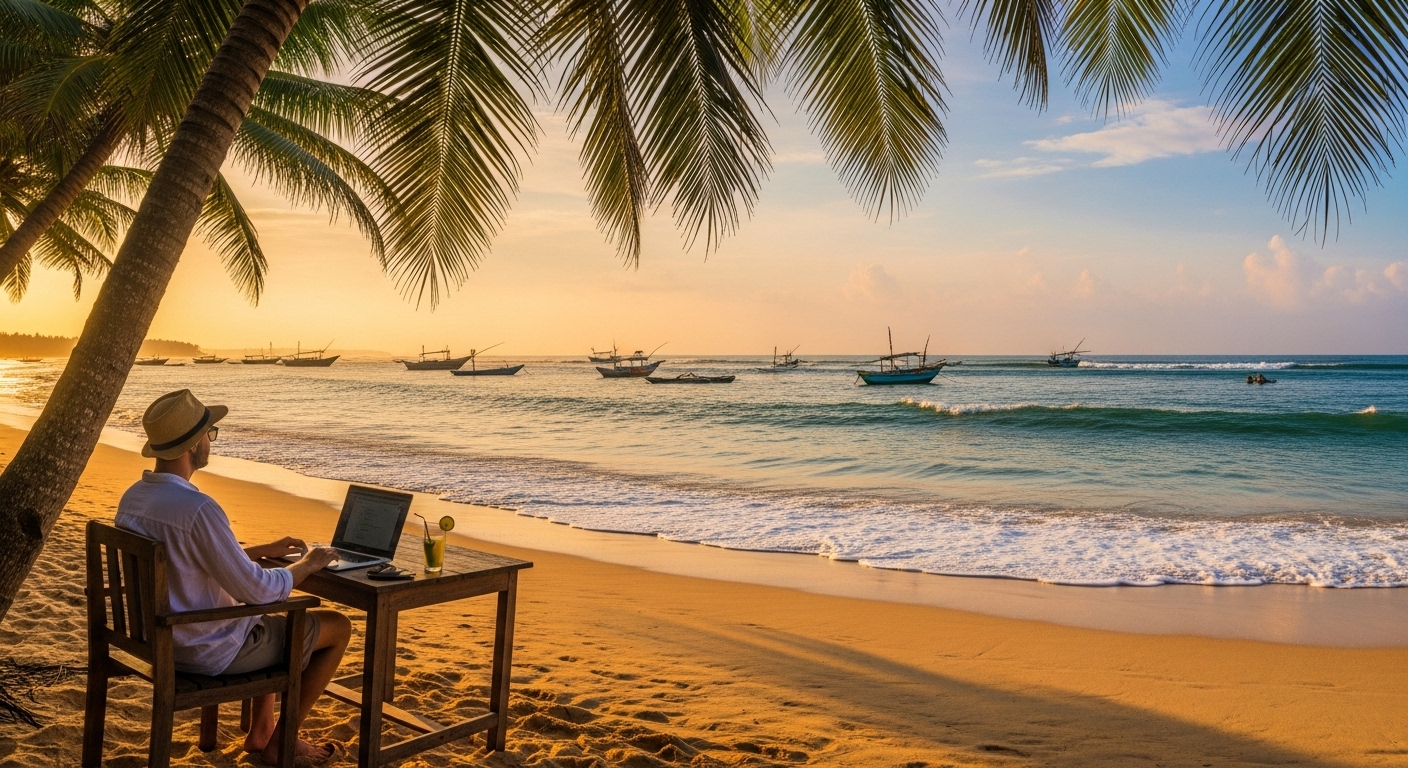
Digital Nomad Paradise: Why the South Coast is the New Bali
Discover why Sri Lanka's South Coast is emerging as Asia's next digital nomad hotspot. From affordable living to world-class surf, here's everything you need to know.
Digital Nomad Paradise: Why the South Coast is the New Bali
Imagine waking up to the sound of waves crashing on a pristine beach, stepping out onto your balcony to see palm trees swaying in the tropical breeze, and knowing that your work for the day is just a laptop and a good WiFi connection away. This isn't a fantasy—it's the daily reality for a growing community of digital nomads who have discovered Sri Lanka's South Coast.
While Bali has long reigned as Southeast Asia's undisputed digital nomad capital, a new contender is quietly emerging on the Indian Ocean. Sri Lanka's southern coastline, stretching from the historic fort city of Galle down to the untouched beaches of Tangalle, offers everything remote workers crave: reliable internet, affordable living, stunning natural beauty, and a welcoming community—all without the crowds, traffic, and commercialization that have transformed parts of Bali.
The South Coast isn't just a cheaper alternative to established nomad hubs; it's a destination in its own right, with a unique blend of Sri Lankan culture, colonial history, world-class surf breaks, and a laid-back lifestyle that's perfect for maintaining work-life balance. Whether you're a developer, designer, marketer, or entrepreneur, this 120-kilometer stretch of coastline might just be the remote work paradise you've been searching for.
At a glance
- Best time to go: November to April (dry season, ideal for surfing and beach activities)
- Ideal duration: 2-4 weeks for exploration, 3-6 months for settling in
- Budget range: LKR 80,000-150,000 ($250-470 USD) per month for comfortable living
- Getting there: Fly into Colombo Bandaranaike International Airport (CMB), then 2-3 hours by car/train to South Coast
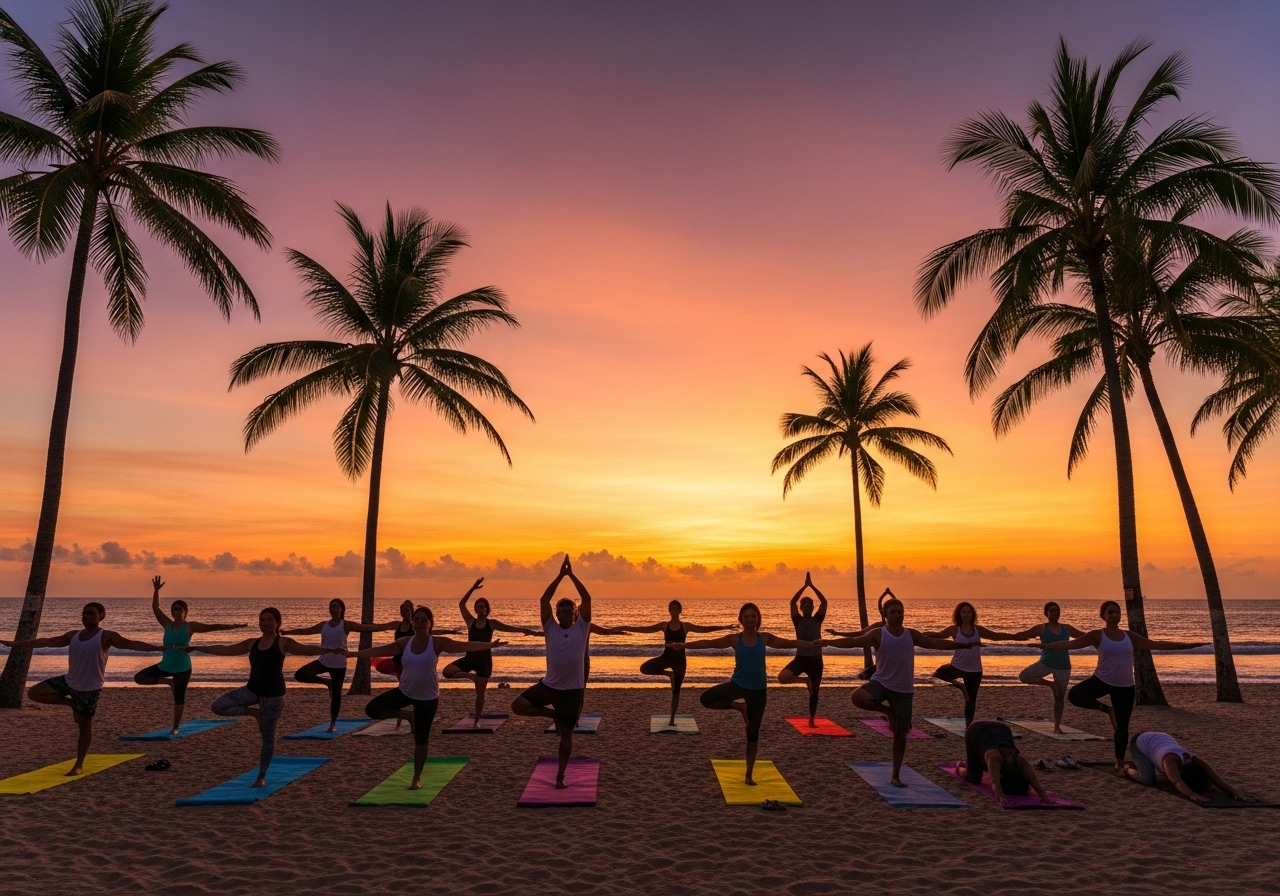
- Top experience: Morning surf session at Weligama followed by work at a beachside café, sunset yoga at Unawatuna
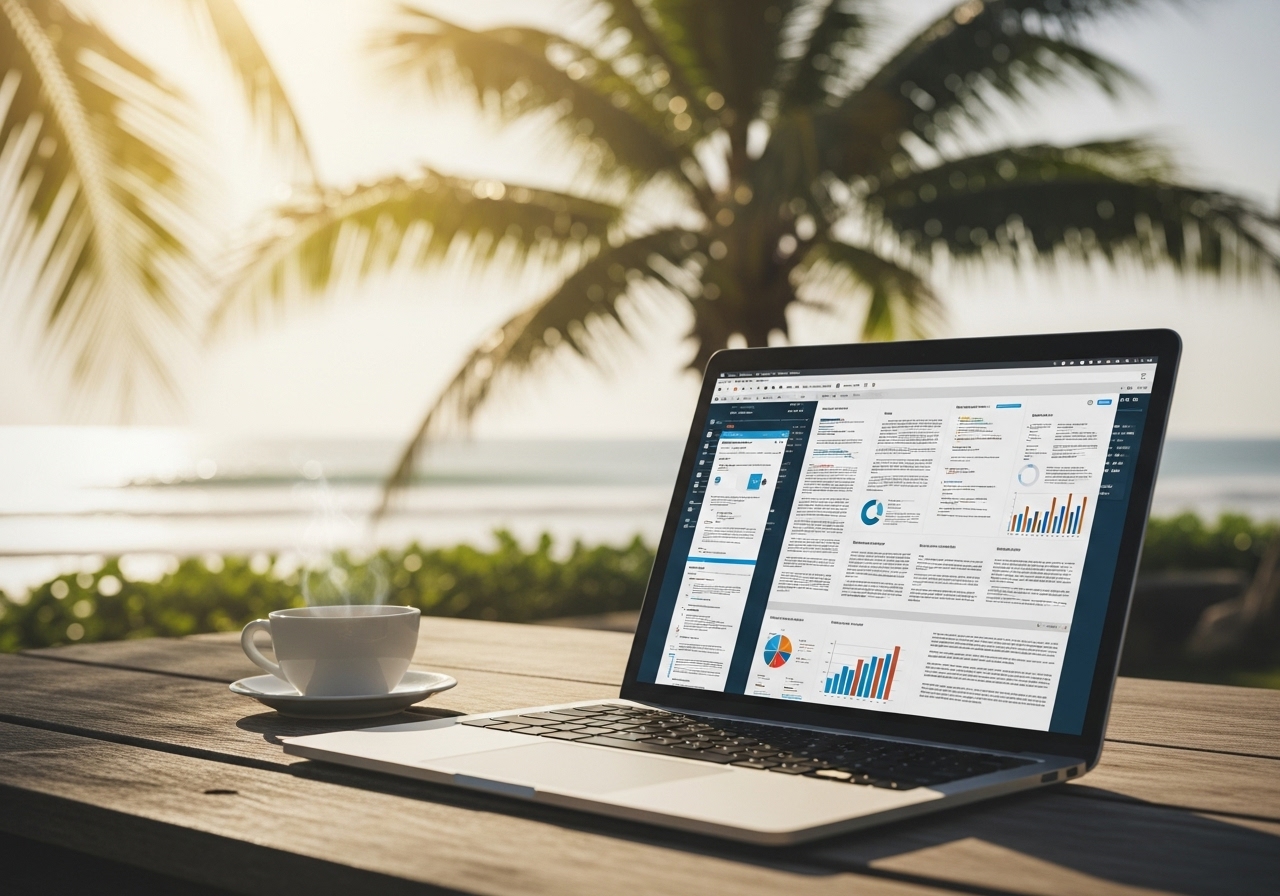
Why South Coast vs Bali: The Honest Comparison
The comparison to Bali isn't just marketing hype—it's a genuine conversation happening in digital nomad communities worldwide. Both destinations offer tropical living, affordable costs, and established infrastructure for remote workers, but the South Coast brings several distinct advantages that are drawing nomads away from Indonesia's most famous island.
Cost of Living: While Bali's prices have risen significantly in popular areas like Canggu and Ubud, Sri Lanka's South Coast remains remarkably affordable. You can find comfortable accommodation for 30-50% less than comparable options in Bali, with daily expenses for food, transport, and entertainment also notably lower. A decent meal at a local restaurant costs LKR 500-800 ($1.50-2.50), compared to $5-8 in Bali's tourist areas.
Crowds and Commercialization: Bali's popularity has come at a cost. Traffic congestion in Canggu can add hours to your day, and finding a quiet spot on popular beaches has become increasingly difficult. The South Coast, by contrast, still feels undiscovered. Even in peak season, you can find stretches of beach to yourself, and the pace of life remains refreshingly unhurried.
Internet and Infrastructure: This is where the comparison gets interesting. Bali has invested heavily in coworking spaces and internet infrastructure, and many areas boast excellent connectivity. The South Coast is catching up fast, with fiber optic internet becoming standard in accommodations and cafés, and several dedicated coworking spaces now operating in Galle, Weligama, and Unawatuna. While not as ubiquitous as in Bali, the quality is generally reliable for most remote work needs.
Cultural Experience: Bali offers a rich Hindu-Balinese culture that's deeply integrated into daily life. Sri Lanka's South Coast provides a different but equally compelling cultural experience—a blend of Sinhalese traditions, colonial Portuguese and Dutch influences (especially in Galle), and a coastal Muslim community. The cultural immersion feels more authentic and less packaged for tourists.
Visa Flexibility: Sri Lanka's Electronic Travel Authorization (ETA) is straightforward to obtain online and allows stays of up to 30 days, extendable to 180 days. While not as generous as Indonesia's options for long-term stays, the process is simpler and more reliable, with clear guidelines and minimal bureaucracy.
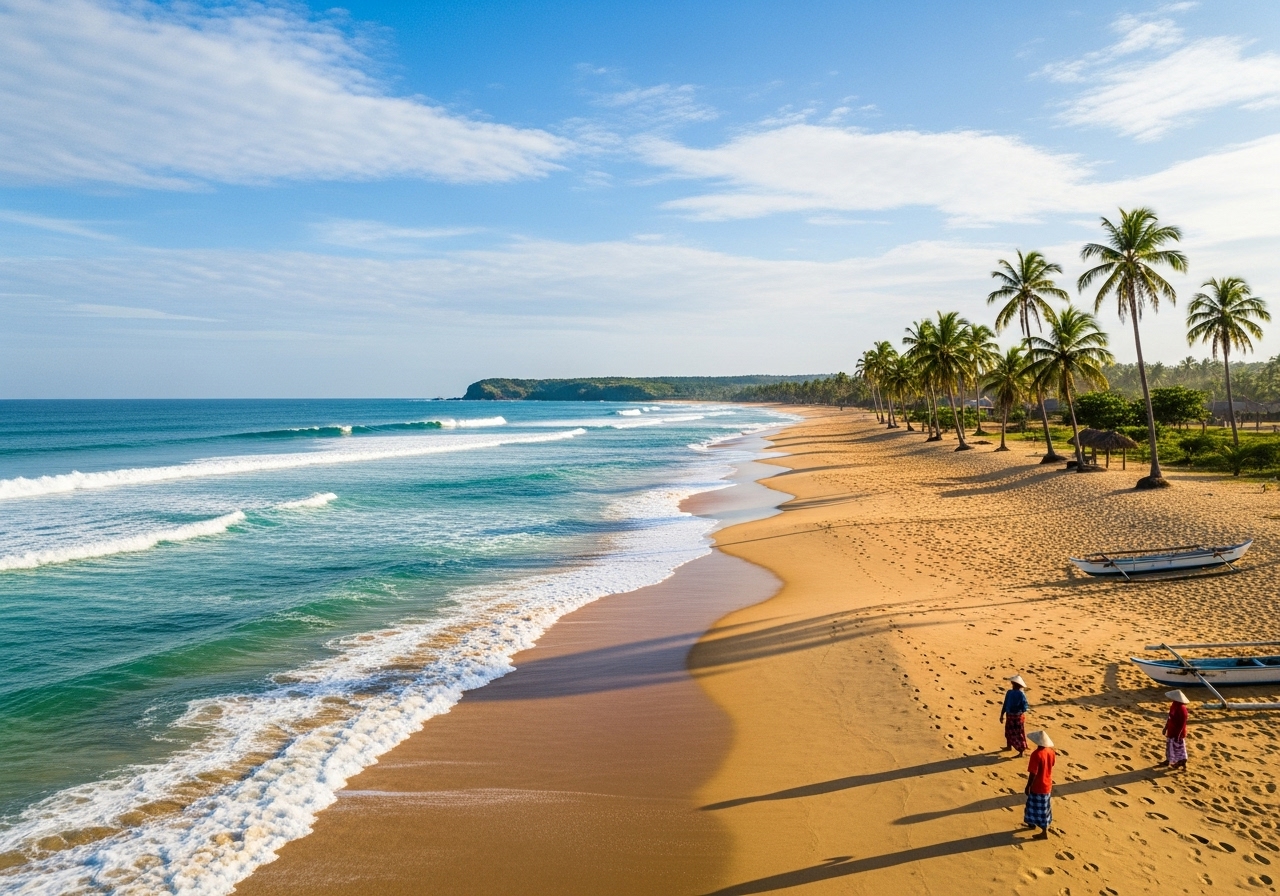
Top Digital Nomad Hubs on the South Coast
The South Coast isn't a single destination but a collection of distinct towns and villages, each with its own character and appeal for remote workers. Understanding these differences will help you choose the base that best matches your work style and lifestyle preferences.
Galle: The Historic Cultural Hub
Galle's UNESCO-listed Dutch Fort is the crown jewel of the South Coast, and within its 17th-century walls, you'll find a sophisticated community of expats and nomads who've chosen history and culture over beach parties. The Fort's narrow streets are lined with colonial-era buildings converted into boutique hotels, cafés, and restaurants, many of which offer excellent WiFi and comfortable workspaces.
Why it works for nomads: Galle offers the most developed infrastructure on the South Coast, with reliable fiber internet, several coworking spaces, and a growing community of remote workers. The Fort's pedestrian-friendly layout means you can walk everywhere, and the concentration of cafés and restaurants provides endless options for work meetings and socializing.
The trade-off: Galle isn't a beach destination in the traditional sense. While there are beaches nearby (Unawatuna is just 6km away), the Fort itself is set back from the ocean. If you need daily surf sessions or want to roll out of bed onto the sand, Galle might feel too urban.
Cost snapshot: A room in a guesthouse within the Fort costs LKR 8,000-15,000 ($25-47) per night, while monthly rentals in the surrounding area range from LKR 60,000-120,000 ($190-375). Meals at Fort restaurants cost LKR 1,200-3,000 ($4-9).
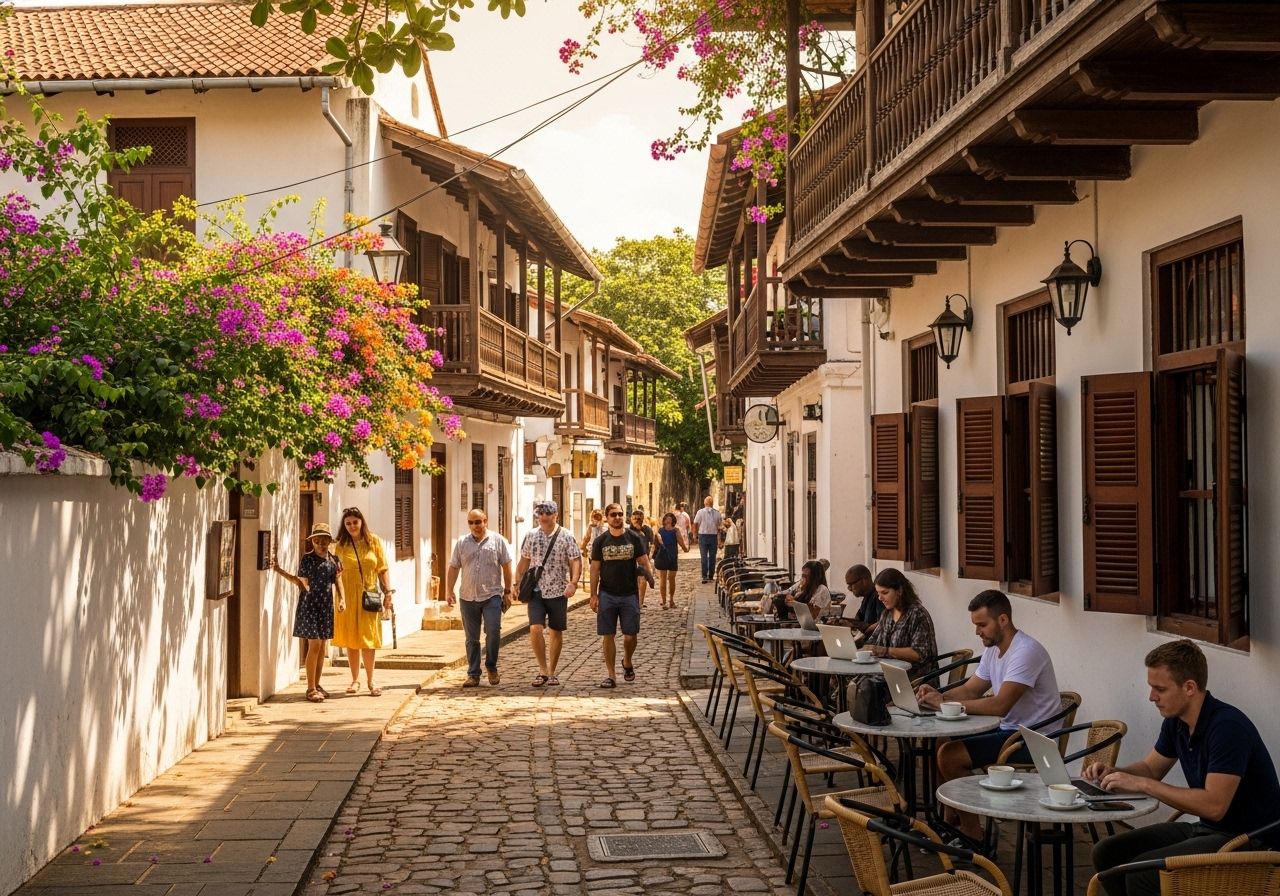
Weligama: The Surfer's Paradise
If your ideal workday involves a dawn surf session followed by hours of focused work with an ocean view, Weligama is calling your name. This fishing village turned surf destination sits on a sweeping bay that offers consistent waves for beginners and intermediates, and it's rapidly developing into Sri Lanka's most surf-focused digital nomad hub.
Why it works for nomads: Weligama's main beach is lined with cafés and restaurants catering specifically to the surf and nomad community, many with dedicated workspaces, power outlets, and reliable internet. The town has several coworking spaces, and the community of remote workers here is tight-knit and active, with regular meetups, surf sessions, and social events.
The trade-off: Weligama can feel a bit spread out, with accommodations and workspaces scattered along a 3km stretch of coast. You'll likely want a scooter or bicycle to get around efficiently, and the town lacks the cultural depth of Galle. During peak season (December-March), it can get busy, though never to the levels of Bali's hotspots.
Cost snapshot: Monthly room rentals range from LKR 40,000-80,000 ($125-250), while surf lessons cost approximately LKR 4,000-6,000 ($12-19) per session. Meals at beachfront cafés cost LKR 800-2,000 ($2.50-6).
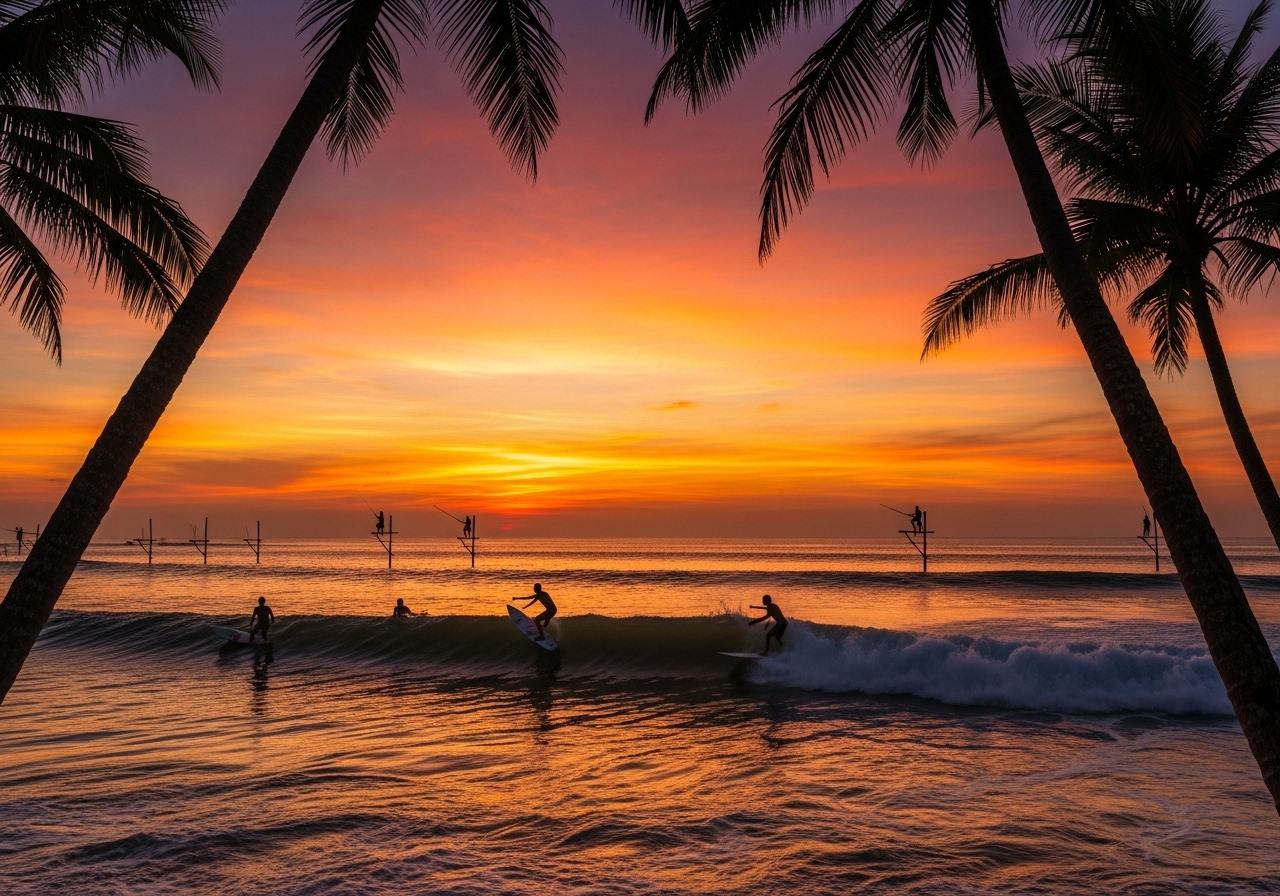
Unawatuna: The Balanced All-Rounder
Just a short tuk-tuk ride from Galle, Unawatuna offers the best of both worlds: a beautiful crescent beach with calm swimming waters, a vibrant restaurant and café scene, and proximity to Galle's cultural attractions. It's been a popular tourist destination for years, but the recent influx of digital nomads has transformed it into a well-rounded remote work base.
Why it works for nomads: Unawatuna's beach is lined with establishments that understand the nomad lifestyle—think beachfront cafés with strong WiFi, comfortable seating, and power strips. The town has a more developed infrastructure than Weligama, with better grocery shopping, more dining options, and easier access to healthcare in nearby Galle. The community here is diverse, mixing surfers, families, and remote workers.
The trade-off: Unawatuna can feel touristy, especially in the high season when the beach fills with day-trippers from Galle and cruise ship passengers. Accommodation prices are higher than in Weligama, and finding a quiet spot away from the tourist scene requires venturing slightly inland.
Cost snapshot: Monthly rentals range from LKR 50,000-100,000 ($155-310), with prices climbing significantly during December-January. Meals at beach restaurants cost LKR 1,000-2,500 ($3-8).
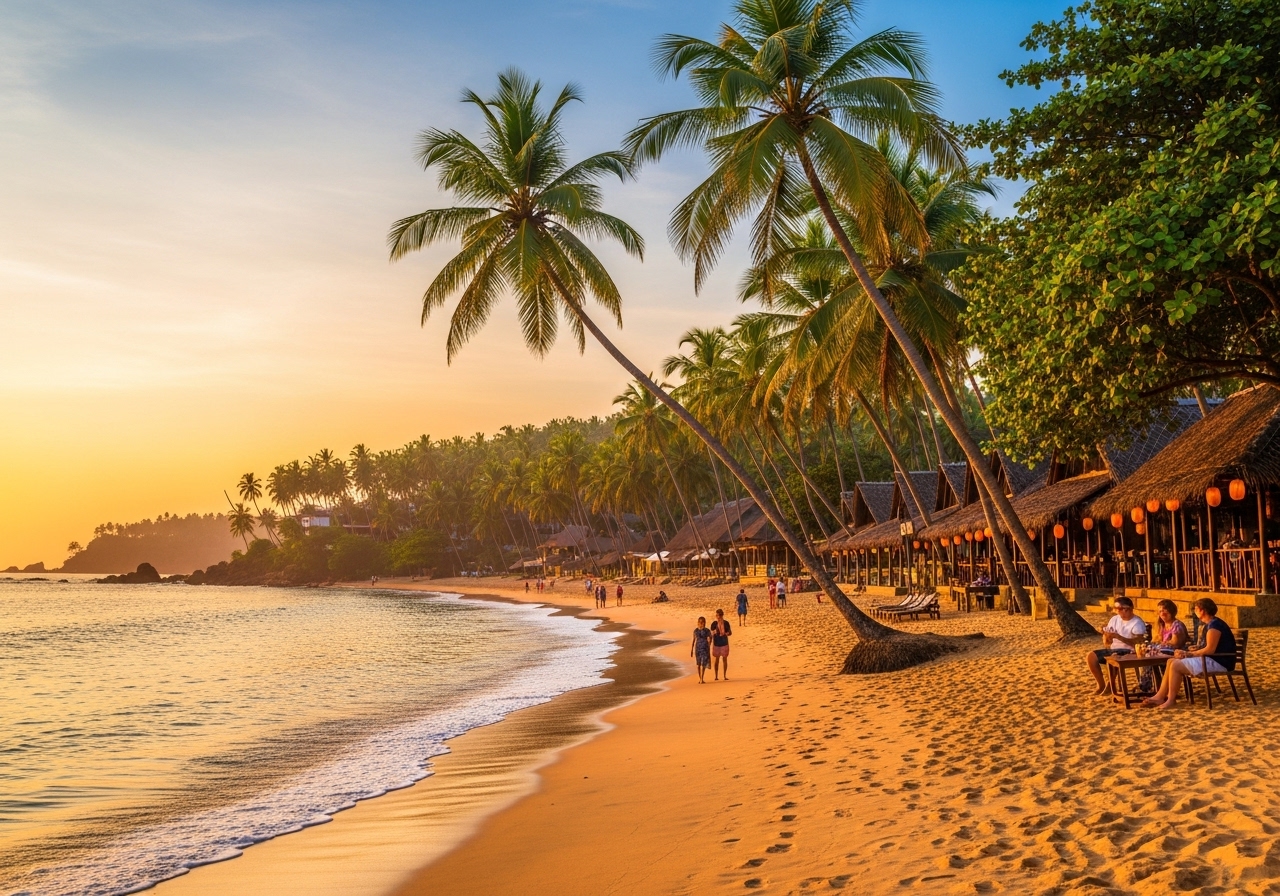
Mirissa: The Quiet Escape
For nomads who prefer solitude over community, Mirissa offers a peaceful alternative to the more developed hubs. This small fishing village is famous for its whale watching tours and stunning sunsets, but it also has a growing contingent of remote workers who value its relaxed pace and natural beauty.
Why it works for nomads: Mirissa's main attraction is its tranquility. You can work from beachfront cafés with few distractions, take breaks with whale watching or dolphin spotting tours, and enjoy some of the best seafood on the coast. The internet is reliable in most establishments, and the lack of crowds means you can often find your own patch of paradise.
The trade-off: Mirissa has limited coworking infrastructure and a smaller nomad community, which can feel isolating if you're looking for networking and social opportunities. The town's amenities are basic—think simple guesthouses and local restaurants rather than upscale cafés and boutiques.
Cost snapshot: Monthly room rentals cost LKR 35,000-70,000 ($110-220), and whale watching tours are approximately LKR 8,000-12,000 ($25-38). Fresh seafood meals cost LKR 1,500-3,000 ($5-9).
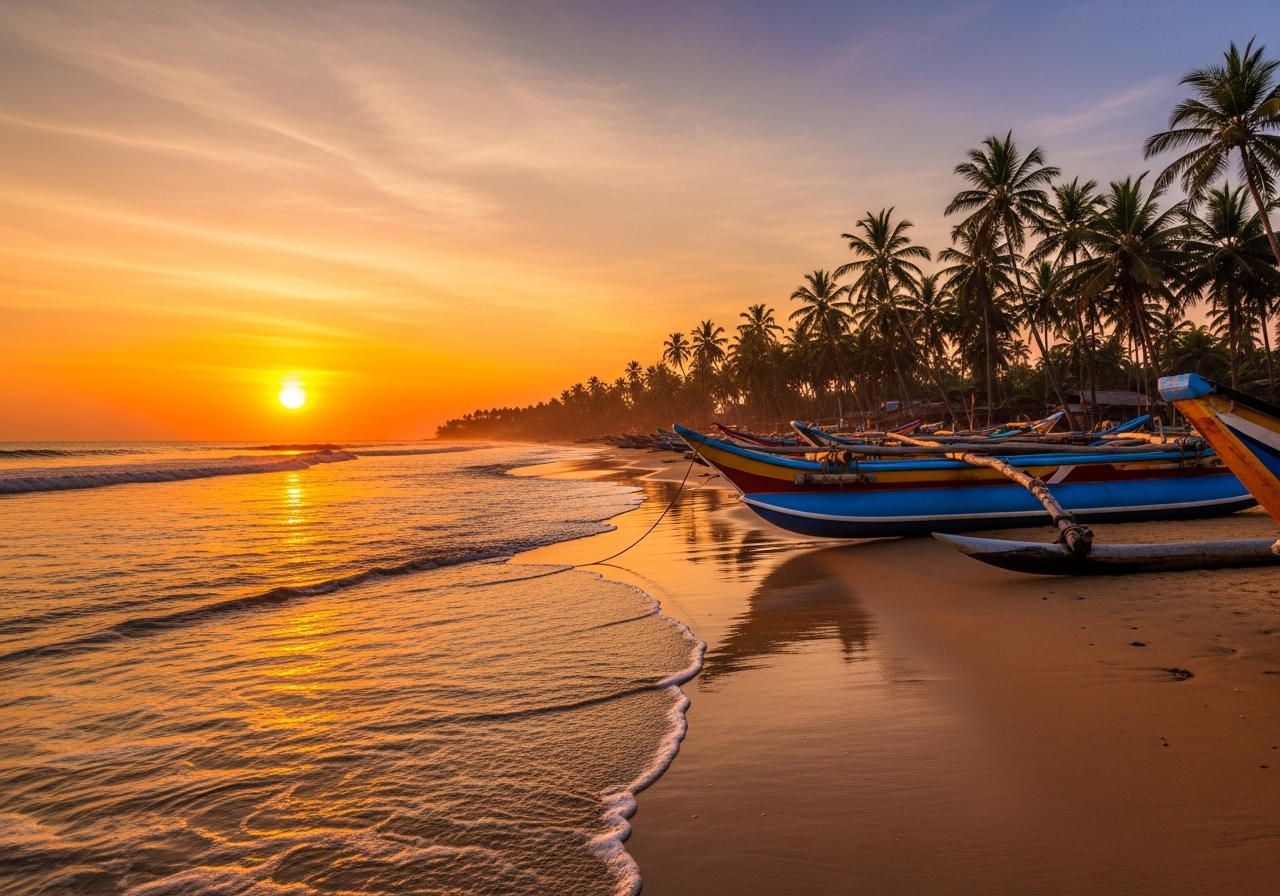
Tangalle: The Long-Term Haven
At the southern end of the coast, Tangalle offers what might be the South Coast's best value for long-term stays. This quiet town boasts some of the region's most beautiful and least crowded beaches, and it's attracting nomads who want to settle in for months rather than weeks.
Why it works for nomads: Tangalle's accommodation options include several properties that cater specifically to long-term guests, with monthly rates that are among the lowest on the coast. The town has excellent beaches for swimming and surfing, reliable internet in most areas, and a growing expat community. It's also perfectly positioned for exploring the less-visited southern coast, including the Yala National Park.
The trade-off: Tangalle is the most isolated of the South Coast hubs, with the longest travel time from Colombo (approximately 4 hours). The nomad community is smaller and less organized than in Weligama or Galle, and you'll need to be proactive about building connections. Nightlife and entertainment options are limited.
Cost snapshot: Monthly rentals range from LKR 30,000-60,000 ($95-190), making it the most affordable long-term option on the coast. Meals at local restaurants cost LKR 600-1,500 ($2-5).
Internet & Connectivity: Can You Actually Work Here?
The single most important factor for any digital nomad destination is internet reliability, and the South Coast has made significant strides in recent years. While not yet matching the fiber-optic ubiquity of Bali's Canggu or Ubud, connectivity is generally reliable for most remote work needs.
Internet Speeds: Fiber optic internet is becoming standard in newer accommodations and commercial establishments, with speeds typically ranging from 30-100 Mbps download and 10-30 Mbps upload. In older buildings and more remote areas, you may encounter 4G LTE connections through mobile hotspots, which generally provide 10-25 Mbps depending on signal strength and network congestion.
Coverage Areas: Galle Fort has the most consistent coverage, with fiber available throughout the historic area. Weligama and Unawatuna have good coverage along the main beach roads, though signal can drop off in inland areas. Mirissa and Tangalle have reliable coverage in town centers and beachfront areas, but connectivity becomes spottier as you move away from populated areas.
Mobile Data Options: Dialog, Mobitel, and SLT are the main providers, with Dialog generally offering the best coverage and speeds on the South Coast. A tourist SIM card costs approximately LKR 1,300 ($4), and data packages are very affordable—LKR 1,500 ($5) gets you 50GB of data valid for 30 days. Many nomads maintain a mobile hotspot as backup for their primary connection.
Coworking Spaces: Dedicated coworking spaces are available in Galle, Weligama, and Unawatuna, offering dedicated desks, private offices, meeting rooms, and enterprise-grade internet connections. Day passes typically cost LKR 1,500-3,000 ($5-9), while monthly memberships range from LKR 15,000-35,000 ($47-110).
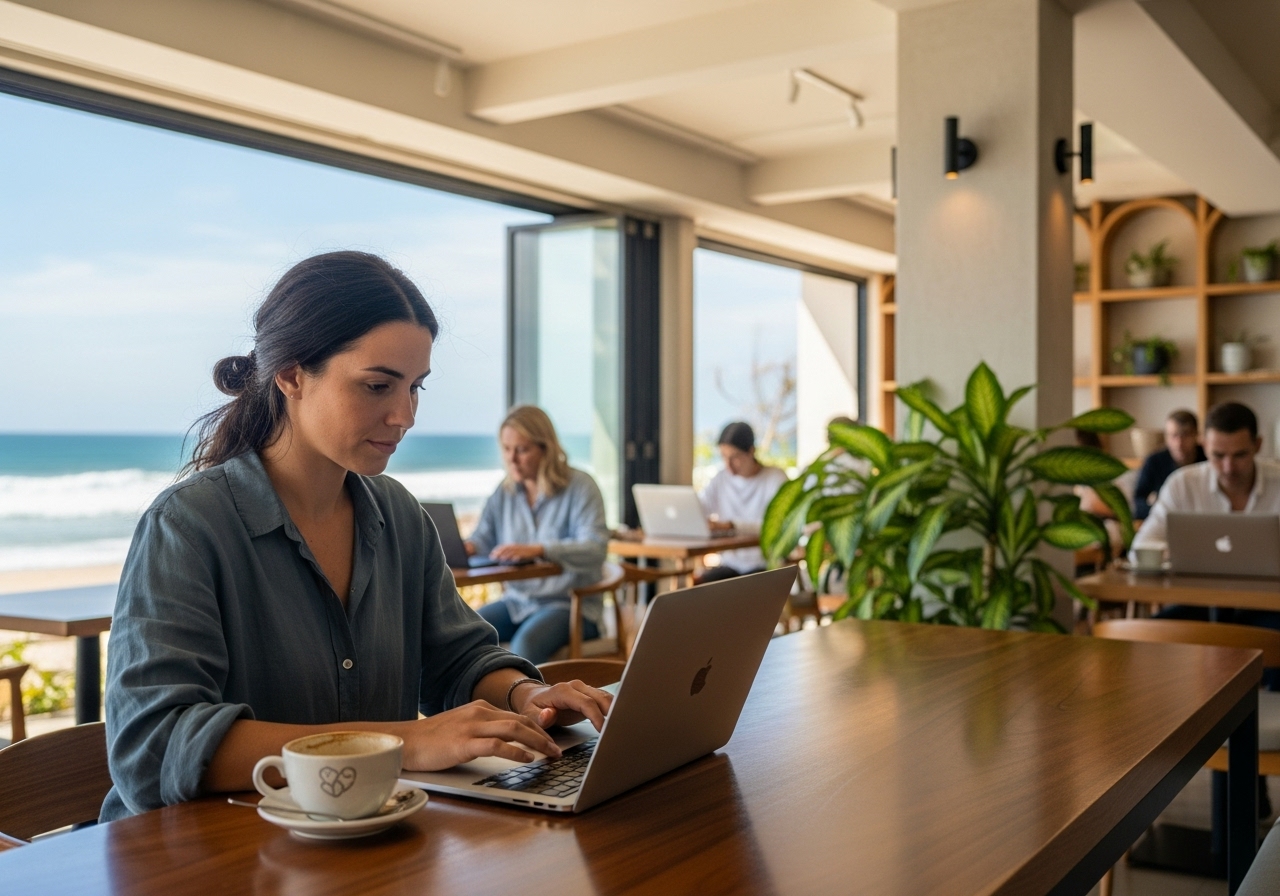
Power & Electricity: Sri Lanka uses Type D and Type G plugs (same as UK and India), with voltage at 230V. Power outages can occur, though they're less frequent than in the past. Most accommodations and businesses have backup generators or battery systems, and it's wise to keep your devices charged and have a power bank as backup.
Accommodation Options: From Budget to Boutique
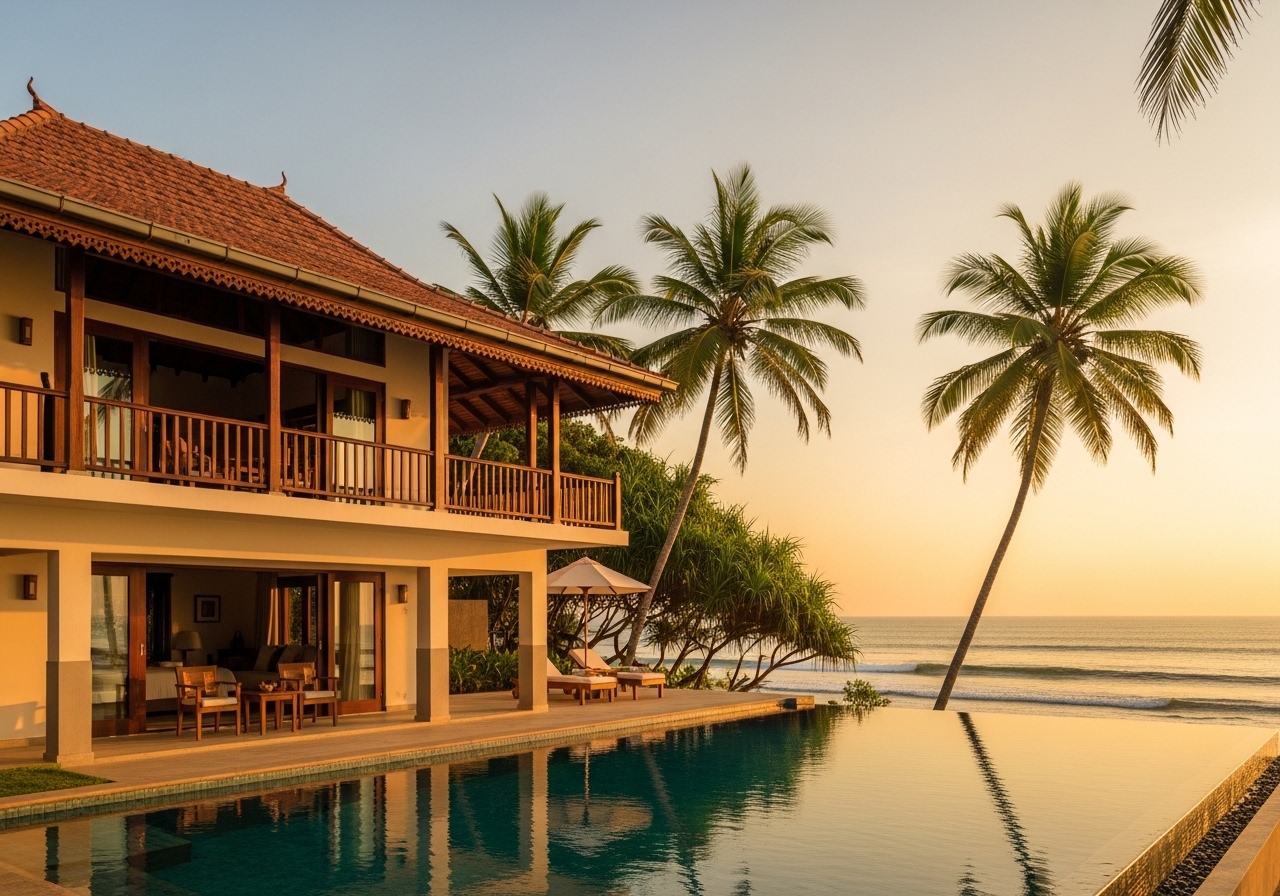
Finding the right place to live is crucial for a productive and enjoyable nomad experience. The South Coast offers accommodation options across the budget spectrum, from simple homestays to luxury villas, with monthly rentals providing significant savings over nightly rates.
Budget Options (LKR 30,000-60,000 / $95-190 per month)
Homestays and Local Guesthouses: These family-run properties offer basic but clean rooms, often with shared bathrooms and simple amenities. The trade-off for the low price is less privacy and fewer work-friendly features, but they're excellent for cultural immersion and connecting with locals. Look for properties that advertise WiFi and verify speeds before booking.
Long-Term Room Rentals: Many guesthouses and villas offer rooms for monthly rent at significantly discounted rates compared to nightly prices. These rooms typically include a bed, fan or AC, and access to shared common areas. Some include breakfast, which can add substantial value to your monthly budget.
Best For: First-time visitors testing the waters, nomads on tight budgets, and those who prioritize cultural experience over luxury.
Mid-Range Options (LKR 60,000-120,000 / $190-375 per month)
Apartment Rentals: One-bedroom apartments are available in Galle, Weligama, and Unawatuna, offering more privacy and space than guesthouse rooms. These typically include a kitchenette, private bathroom, and dedicated workspace. Look for properties with fiber internet included in the rent.
Boutique Guesthouses: These properties offer more personalized service and better amenities than budget options, with rooms featuring AC, hot water, and often sea views. Many have communal workspaces, fast WiFi, and breakfast included. They're ideal for nomads who want comfort without luxury prices.
Surf Camps: Several surf camps in Weligama and Unawatuna offer monthly packages that include accommodation, surf equipment, and sometimes lessons. These are perfect if surfing is a priority and you want to be part of an active surf community.
Best For: Nomads planning to stay 1-3 months, those who need dedicated workspaces, and anyone seeking a balance of comfort and value.
Luxury Options (LKR 120,000+ / $375+ per month)
Villas: Private villas are available throughout the coast, ranging from two-bedroom properties perfect for couples or small groups to sprawling estates with pools and staff. These offer maximum privacy and comfort, with many featuring home offices, high-speed internet, and housekeeping services.
Boutique Hotels: Several high-end properties cater specifically to long-term guests, offering discounted monthly rates that include meals, laundry, and sometimes spa treatments. These are ideal if budget is less of a concern and you want full-service luxury.
Resort-Style Living: Some properties offer resort-style amenities including pools, fitness centers, restaurants, and beach clubs. These are perfect for nomads who want all the comforts of a resort while maintaining the freedom to explore the local area.
Best For: Established nomads with higher budgets, those traveling with families, and anyone who prioritizes comfort and convenience.
Booking Tips: Always verify WiFi speeds before committing to long-term rentals, ask about backup power options, and clarify what's included in the monthly rate (utilities, cleaning, laundry). Consider visiting for a few days on a nightly basis before committing to a month-long stay to ensure the property meets your needs.
Cost of Living Breakdown: What Your Money Gets You
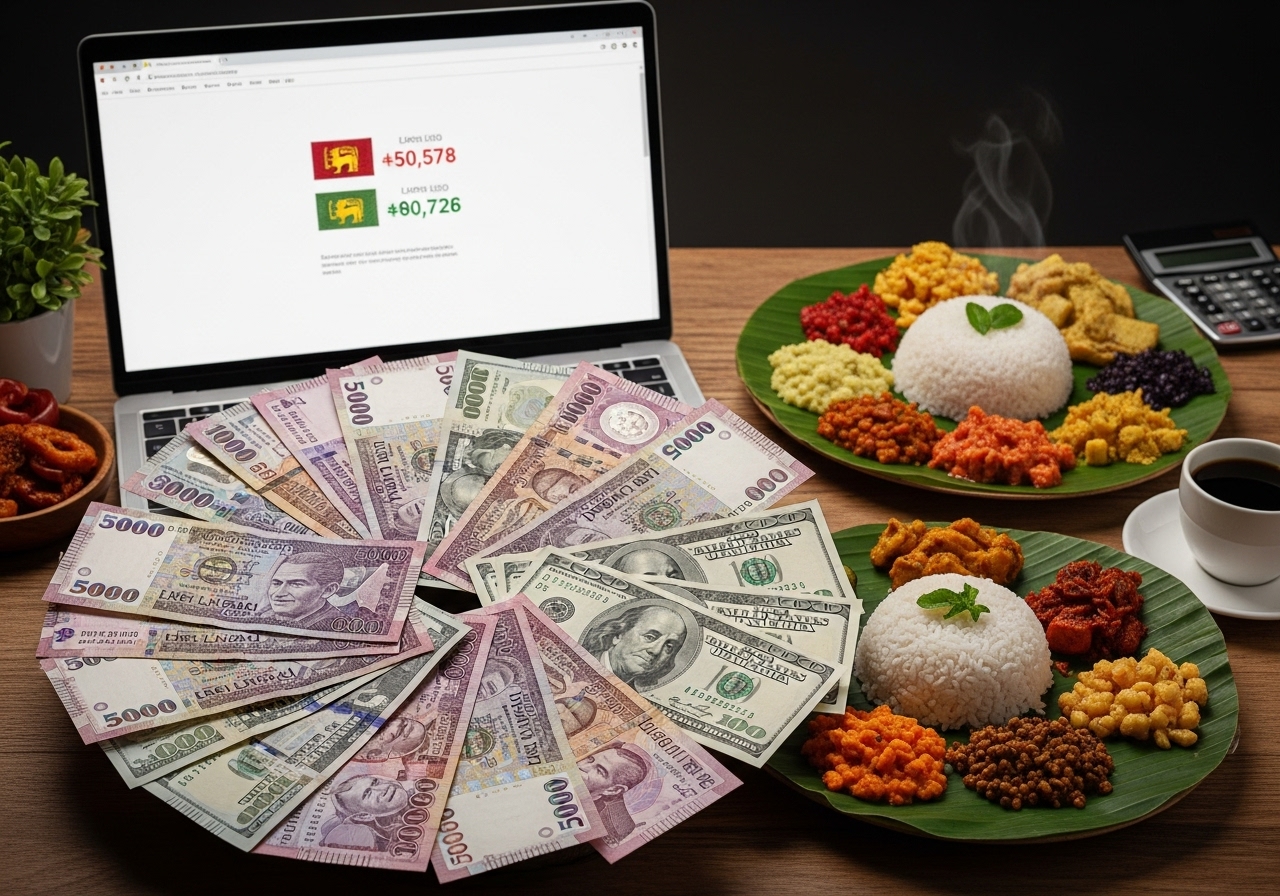
One of the South Coast's biggest draws is its affordability, especially compared to established nomad hubs like Bali, Chiang Mai, or Medellín. Here's a realistic monthly budget breakdown for a comfortable digital nomad lifestyle.
Accommodation
- Budget room rental: LKR 30,000-50,000 ($95-155)
- Mid-range apartment/guesthouse: LKR 60,000-100,000 ($190-310)
- Luxury villa/resort: LKR 120,000-250,000+ ($375-780+)
Food & Dining
- Local restaurant meals: LKR 500-800 ($1.50-2.50) per meal
- Beachfront café meals: LKR 1,000-2,500 ($3-8) per meal
- Groceries (home cooking): LKR 20,000-35,000 ($62-110) per month
- Coffee/drinks: LKR 300-800 ($1-2.50) per item
Monthly food budget: LKR 30,000-60,000 ($95-190) depending on dining out frequency
Transportation
- Tuk-tuk rides (short distances): LKR 200-500 ($0.60-1.50) per trip
- Scooter rental: LKR 1,000-1,500 ($3-5) per day
- Private car hire (with driver): LKR 5,000-8,000 ($15-25) per day
- Train travel (Colombo to South Coast): LKR 300-1,500 ($1-5) depending on class
Monthly transport budget: LKR 10,000-25,000 ($31-78) depending on travel frequency
Work & Connectivity
- Coworking day pass: LKR 1,500-3,000 ($5-9)
- Coworking monthly membership: LKR 15,000-35,000 ($47-110)
- Mobile data (50GB): LKR 1,500 ($5) per month
- Coffee shop working: LKR 500-1,000 ($1.50-3) per day
Monthly work budget: LKR 5,000-25,000 ($15-78) depending on workspace preference
Activities & Entertainment
- Surf lesson: LKR 4,000-6,000 ($12-19) per session
- Surfboard rental: LKR 1,500-2,500 ($5-8) per day
- Yoga class: LKR 1,500-3,000 ($5-9) per class
- Whale watching tour: LKR 8,000-12,000 ($25-38) per tour
- Spa/massage: LKR 3,000-8,000 ($9-25) per session
Monthly activity budget: LKR 15,000-40,000 ($47-125) depending on interests
Miscellaneous
- Laundry: LKR 2,000-5,000 ($6-16) per month
- SIM card & top-ups: LKR 2,000-3,000 ($6-9) per month
- Personal care/toiletries: LKR 5,000-10,000 ($15-31) per month
- Visa extensions: LKR 10,000-15,000 ($31-47) per extension
Total Monthly Budget Examples
Budget Nomad: LKR 80,000-100,000 ($250-310)
- Budget accommodation: LKR 35,000
- Food (mostly local): LKR 30,000
- Transport (limited): LKR 10,000
- Work (cafés): LKR 5,000
- Activities (minimal): LKR 10,000
Comfortable Nomad: LKR 120,000-180,000 ($375-560)
- Mid-range accommodation: LKR 80,000
- Food (mix of local and cafés): LKR 45,000
- Transport (regular): LKR 15,000
- Work (coworking part-time): LKR 15,000
- Activities (regular): LKR 25,000
Premium Nomad: LKR 200,000-350,000+ ($625-1,090+)
- Luxury accommodation: LKR 150,000
- Food (mostly cafés/restaurants): LKR 60,000
- Transport (private): LKR 25,000
- Work (coworking full-time): LKR 25,000
- Activities (frequent): LKR 40,000
Work-Friendly Cafés & Coworking Spaces
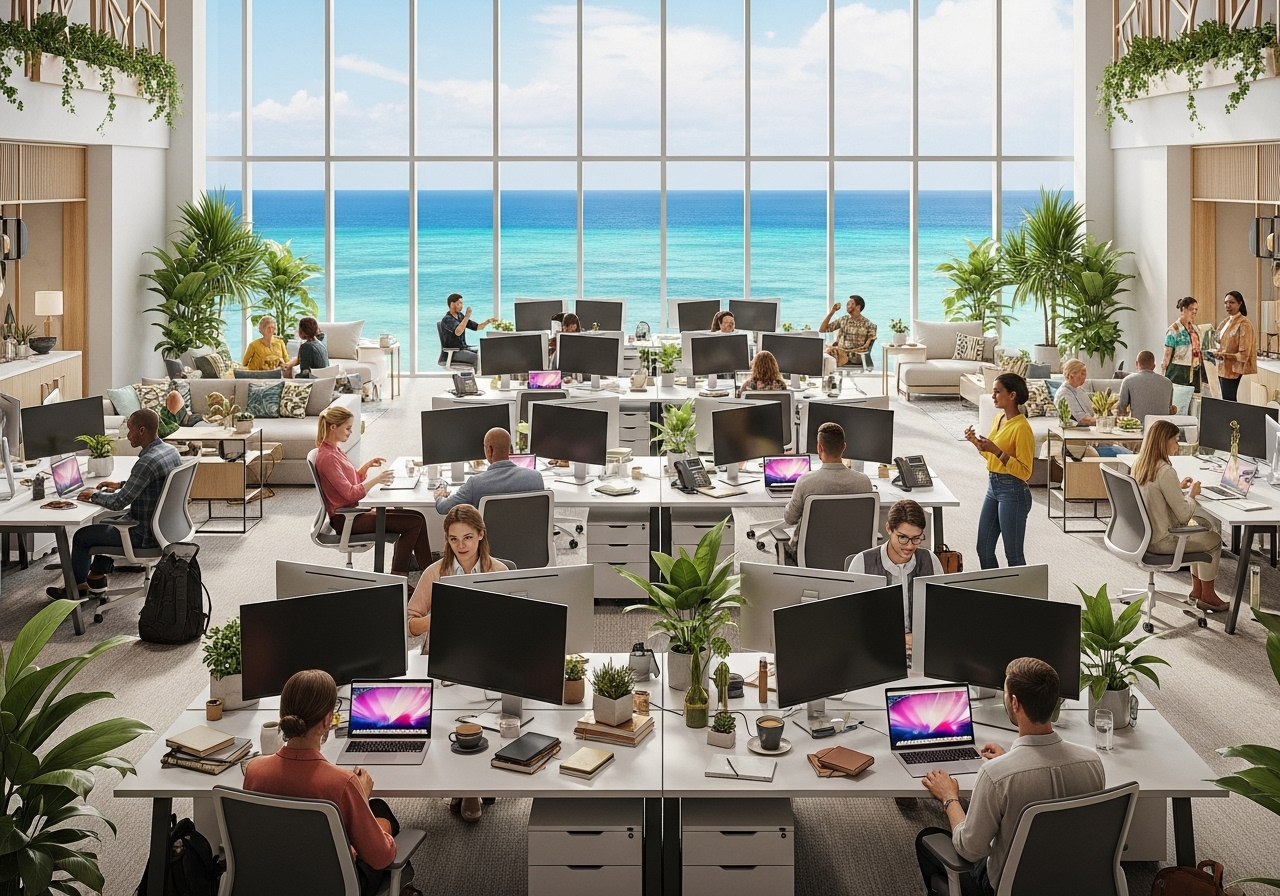
While having a reliable home internet connection is ideal, the nomad lifestyle often calls for a change of scenery. The South Coast has embraced the remote work revolution, with numerous cafés and dedicated coworking spaces catering specifically to digital nomads.
Top Work-Friendly Cafés
The Coffee Company (Galle Fort): This specialty coffee shop in the heart of Galle Fort serves excellent espresso and has become a de facto coworking space for remote workers. The WiFi is fast and reliable, there are plenty of power outlets, and the colonial atmosphere provides inspiring surroundings for focused work. Open 7:00 AM - 8:00 PM daily.
Weligama Bay Beach Restaurant: Located right on Weligama's main beach, this restaurant offers a dedicated workspace area with strong WiFi, comfortable seating, and uninterrupted ocean views. It's particularly popular for morning work sessions, and the menu includes healthy options perfect for sustaining productivity throughout the day.
Cafe Ceylon (Unawatuna): This beachfront café combines excellent coffee with a relaxed work environment. The WiFi is reliable, there are both indoor and outdoor seating options, and the staff are accustomed to remote workers setting up for the day. It's also a great spot for informal meetings with other nomads.
The Shack (Mirissa): A simple beachfront shack that punches above its weight in terms of connectivity and work-friendliness. The WiFi is surprisingly good, there are power outlets available, and the casual atmosphere makes it easy to strike up conversations with fellow travelers and nomads.
Dedicated Coworking Spaces
The Hive (Galle): Located just outside Galle Fort, The Hive offers dedicated desks, private offices, meeting rooms, and event spaces. The internet is enterprise-grade, there's 24/7 access for members, and regular community events help build connections among remote workers. Day passes: LKR 2,500 ($8), monthly memberships: LKR 25,000 ($78).
Nomad Hub (Weligama): This surf-focused coworking space combines work facilities with surf culture. Members have access to dedicated desks, high-speed internet, surfboard storage, and discounted surf lessons. The community here is active and social, with regular surf sessions, beach cleanups, and networking events. Monthly memberships: LKR 30,000 ($94).
CoWork Galle: Situated within Galle Fort, this space offers a professional work environment with all the amenities remote workers need. Features include private phone booths, printing facilities, a kitchen, and regular workshops and events. The historic setting provides a unique backdrop for your workday. Monthly memberships: LKR 20,000 ($62).
Workspace Tips
- Arrive early: Popular cafés fill up by 9:00 AM, especially on weekdays. Arriving when they open ensures you get a good spot with power access.
- Test the WiFi: Before settling in for a full work session, test the internet speed with a speed test app. Ask staff about backup connections if the primary fails.
- Order regularly: Staff appreciate customers who purchase food and drinks throughout the day. A good rule of thumb is one order every 2-3 hours.
- Bring essentials: Carry a power bank, noise-canceling headphones, and a universal adapter. Not all cafés have reliable power outlets.
Lifestyle & Community: Beyond the Laptop
The digital nomad lifestyle isn't just about finding a place to work—it's about building a life in a new location. The South Coast offers a rich lifestyle that balances productivity with adventure, wellness, and community connection.
The Surf Culture
Surfing is more than a sport on the South Coast—it's a way of life that brings the community together. Whether you're a complete beginner or an experienced surfer, there are waves for every level, and the surf community is welcoming and inclusive. Morning surf sessions are a daily ritual for many nomads, providing a perfect start to the workday with exercise, fresh air, and connection with nature.
Best surf spots: Weligama Bay (beginner-friendly), Lazy Left (intermediate), Rams (advanced), Midigama (various levels), and Secret Beach (quiet spot for all levels). Surf schools operate in Weligama and Unawatuna, offering lessons for LKR 4,000-6,000 ($12-19) per session.
Yoga & Wellness
The South Coast has embraced the wellness movement, with numerous yoga studios, retreat centers, and wellness practitioners catering to nomads seeking balance. Morning yoga classes are popular, and many cafés offer healthy, vegetarian-friendly options to support a wellness-focused lifestyle.
Notable studios: Yoga Mandala (Galle), Weligama Yoga Shala, and various beachfront yoga sessions in Unawatuna. Drop-in classes cost LKR 1,500-3,000 ($5-9), and monthly unlimited passes are available for LKR 15,000-25,000 ($47-78).
Community & Networking
The nomad community on the South Coast is growing but remains intimate enough that it's easy to make connections. Regular meetups, networking events, and social gatherings provide opportunities to meet fellow remote workers, share experiences, and collaborate on projects. Facebook groups and WhatsApp chats are active and welcoming to newcomers.
Community events: Weekly nomad meetups in Weligama and Galle, skill-sharing sessions, beach cleanups, co-working days, and informal sunset gatherings. These events are typically free or low-cost and are announced through community Facebook groups.
Food & Social Scene
The South Coast's culinary scene is one of its underrated strengths. Sri Lankan cuisine is flavorful, diverse, and generally affordable, with influences from Indian, Portuguese, Dutch, and Malay cooking. Fresh seafood is abundant, and there's a growing café culture serving international cuisine and excellent coffee.
Must-try dishes: Rice and curry (the national dish), kottu roti (chopped roti with vegetables and meat), hoppers (bowl-shaped pancakes), string hoppers (steamed rice noodles), and fresh seafood grilled to order. Beachfront restaurants in Unawatuna and Mirissa are particularly renowned for their seafood.
Nightlife & Entertainment
The South Coast isn't known for wild nightlife, but there's a relaxed social scene centered around beach bars, live music venues, and occasional parties. The vibe is more about sunset drinks and conversation than late-night clubbing, which suits many nomads who prefer to maintain a healthy work routine.
Popular spots: The Kingfisher (Galle), Happy Banana (Unawatuna), and various beach bars in Weligama that host live music and DJ sets on weekends. The party scene is seasonal, with the most activity from December to March.
Getting There & Transportation
Reaching the South Coast and getting around once you're there is straightforward, with multiple options depending on your budget and preferences.
International Arrival
Colombo Bandaranaike International Airport (CMB): This is Sri Lanka's main international gateway, located approximately 140km north of Galle. Most international flights arrive here, and from the airport, you have several options for reaching the South Coast.
Airport to South Coast options:
-
Private taxi/car hire: LKR 15,000-25,000 ($47-78) for the 2-3 hour journey to Galle/Weligama. This is the most convenient option, especially if arriving late at night or with luggage. Book through your accommodation or a reputable transfer service.
-
Airport taxi (metered): Available from the airport taxi stand, costing approximately LKR 12,000-18,000 ($38-56) to Galle. Ensure the meter is running or agree on a fixed price before departure.
-
Public bus: The most budget-friendly option at LKR 300-500 ($1-1.50), but not recommended for first-time visitors with luggage. Requires taking a bus from the airport to Colombo city center, then transferring to a southbound bus. Total journey time: 4-5 hours.
-
Train: Take a taxi or bus from the airport to Colombo Fort station (approximately 1 hour), then board a southbound train to Galle (2-3 hours). Second-class tickets cost LKR 300-500 ($1-1.50), and the scenic coastal route is worth the experience.
Getting Around the South Coast
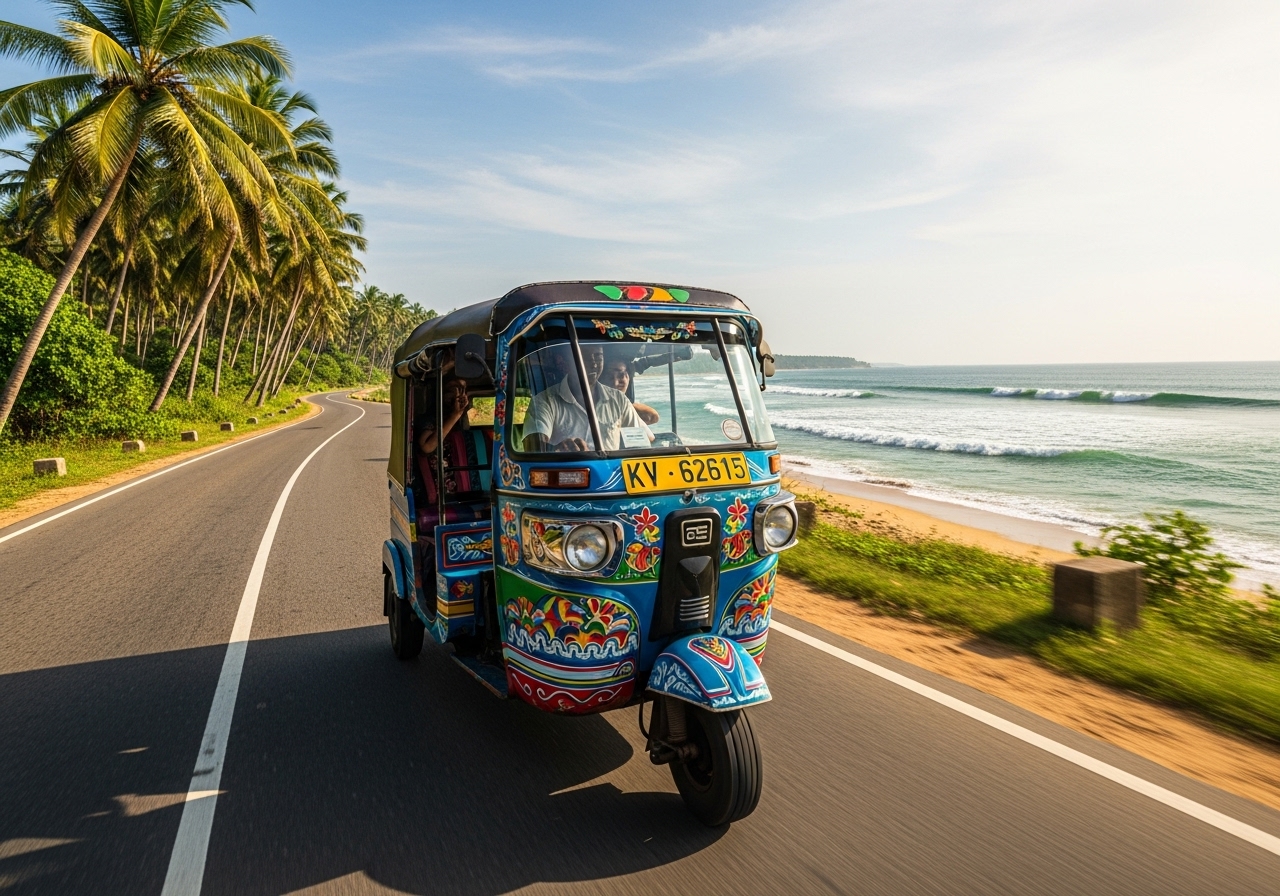
Tuk-tuks: The iconic three-wheeled taxis are everywhere and are perfect for short distances. Negotiate the price before starting your journey, or insist on the meter (though not all drivers use them). Typical fares: LKR 200-500 ($0.60-1.50) for short trips within towns, LKR 800-1,500 ($2.50-5) for longer distances between towns.
Scooter rental: The most popular option for nomads who want flexibility. Rental costs LKR 1,000-1,500 ($3-5) per day, and you'll need an international driving permit and your home country license. Helmets are legally required and should always be worn. Traffic is generally light compared to Colombo, but road conditions vary.
Private car with driver: For day trips or when traveling with luggage, hiring a car with a driver costs LKR 5,000-8,000 ($15-25) per day plus fuel. This is a comfortable option for exploring the coast or visiting attractions like Yala National Park.
Public buses: The most economical way to travel between towns, with fares ranging from LKR 50-200 ($0.15-0.60). Buses are frequent but can be crowded and uncomfortable. They're best for short hops or if you're on a very tight budget.
Train: The coastal train line runs from Colombo through Galle to Matara, stopping at most South Coast towns. It's scenic and inexpensive (LKR 100-300/$0.30-1 for most journeys), but schedules can be irregular. First-class observation carriages offer the best views and comfort.
Distances Between Key Locations
- Colombo to Galle: 115km, 2-2.5 hours by car
- Galle to Unawatuna: 6km, 15 minutes by tuk-tuk
- Unawatuna to Weligama: 15km, 25 minutes by tuk-tuk
- Weligama to Mirissa: 10km, 20 minutes by tuk-tuk
- Mirissa to Tangalle: 45km, 1 hour by car
Time & Duration: When to Visit and How Long to Stay
Timing your visit to the South Coast can significantly impact your experience, as weather patterns, crowds, and pricing all vary throughout the year.
Best Time to Visit
November to April (Dry Season): This is the peak season for the South Coast, characterized by sunny days, calm seas, and minimal rainfall. It's the ideal time for beach activities, surfing, and outdoor exploration. December and January are the busiest months, with the highest prices and largest crowds, but also the best weather and most vibrant atmosphere.
May to October (Monsoon Season): The Southwest monsoon brings heavier rainfall, rougher seas, and stronger winds to the South Coast. While not ideal for beach activities, this season has its advantages: fewer crowds, lower accommodation prices, and a more authentic local experience. Many nomads choose this time for focused work, taking advantage of the quieter environment.
Shoulder Seasons (October-November and April-May): These transition periods offer a balance of decent weather, moderate crowds, and reasonable prices. October can see some residual monsoon activity, while April begins the transition to dry conditions.
Recommended Stay Duration
2-4 Weeks (Exploration Phase): Ideal for first-time visitors who want to experience the South Coast without committing to a long-term stay. This gives you enough time to explore different towns, test various coworking spaces, and determine if the lifestyle suits you.
1-3 Months (Settling In): Perfect for nomads who want to establish a routine, build community connections, and experience the local culture more deeply. Monthly accommodation rates offer significant savings, and you'll have time to explore beyond the main tourist areas.
3-6 Months (Long-Term Base): Suitable for nomads who want to make the South Coast their primary base for an extended period. This duration allows for deeper community integration, the possibility of renting a villa or apartment, and exploration of the entire southern region including less-visited areas.
Seasonal Considerations
Surfing: The best surf conditions are from November to March, with consistent waves and favorable winds. The monsoon season (May-October) brings bigger waves but also more challenging conditions and stronger currents.
Whale Watching: The peak season for whale watching in Mirissa is November to April, when blue whales and sperm whales are most commonly sighted. Tours operate year-round but sightings are less frequent during the monsoon.
Festivals & Events: The Sri Lankan New Year (April) is celebrated throughout the country with traditional games, food, and festivities. The Galle Literary Festival (typically January) attracts international authors and visitors. Check local event calendars for specific dates.
Safety & Health: Staying Healthy and Secure
The South Coast is generally safe for travelers, but like any destination, it's important to be aware of potential risks and take appropriate precautions.
Overall Safety
The South Coast is one of Sri Lanka's safest regions for tourists, with low levels of violent crime and a generally welcoming local population. The most common issues travelers face are petty theft and scams, both of which can be avoided with basic precautions.
Common-sense precautions:
- Keep valuables secure and out of sight, especially on beaches
- Use hotel safes for passports and important documents
- Be cautious with overly friendly strangers offering unsolicited help
- Negotiate prices clearly before accepting services
- Avoid walking alone on isolated beaches at night
Health Precautions
Vaccinations: No mandatory vaccinations are required for entry to Sri Lanka, but the CDC and WHO recommend being up-to-date on routine vaccinations including hepatitis A, typhoid, and tetanus. Consider hepatitis B and rabies vaccinations if you'll be staying long-term or engaging in outdoor activities.
Food & Water Safety: Tap water is not safe to drink in Sri Lanka. Stick to bottled water (widely available) or use a water filter/purification tablets. Be cautious with street food, choosing vendors with high turnover and freshly cooked food. Peel fruits and vegetables or wash them with purified water.
Sun Protection: The tropical sun is strong, and sunburn and heatstroke are real risks. Use high-SPF sunscreen, wear a hat and sunglasses, and stay hydrated. Avoid prolonged sun exposure during peak hours (10 AM - 2 PM).
Mosquito-Borne Illnesses: Dengue fever is present in Sri Lanka, including the South Coast. Use mosquito repellent, wear long sleeves and pants during dawn and dusk when mosquitoes are most active, and consider staying in accommodations with mosquito nets or air conditioning.
Medical Facilities
Hospitals & Clinics: Galle has the best medical facilities on the South Coast, including the Karapitiya Teaching Hospital (public) and several private hospitals like the Galle Nursing Home and Southern Hospital. For serious medical issues, Colombo's private hospitals offer the highest standard of care.
Pharmacies: Well-stocked pharmacies are available in Galle, Weligama, and Unawatuna, carrying most common medications. Bring a sufficient supply of any prescription medications you need, along with copies of your prescriptions.
Travel Insurance: Comprehensive travel insurance that covers medical emergencies, evacuation, and trip cancellation is strongly recommended. Ensure your policy covers remote work activities if relevant to your situation.
Emergency Contacts
- Police emergency: 119
- Ambulance: 110
- Tourist Police: +94 11 242 1052
- Your country's embassy: Keep contact information for your embassy or consulate in Sri Lanka
Natural Hazards
Rip Currents: The South Coast has strong rip currents, especially during the monsoon season and at certain beaches. Always swim at beaches with lifeguards, follow their instructions, and never swim alone or under the influence of alcohol.
Monsoon Conditions: During the southwest monsoon (May-October), seas can be rough with dangerous swimming conditions. Heed local warnings and avoid entering the water when red flags are displayed.
Wildlife: While not a major concern on the South Coast, be aware of monkeys in some areas (they can be aggressive if fed) and sea urchins near rocky areas. Wear water shoes when entering rocky waters.
Practical Tips: Making the Most of Your Nomad Experience
These practical tips will help you navigate daily life on the South Coast and avoid common pitfalls that can detract from your experience.
Connectivity & Communication
SIM Cards: Purchase a tourist SIM card immediately upon arrival at the airport or in Colombo. Dialog and Mobitel offer the best coverage on the South Coast. You'll need your passport for registration, and the process takes 10-15 minutes.
VPN Services: Consider using a VPN for security, especially when connecting to public WiFi networks. Popular services like NordVPN, ExpressVPN, and Surfshark work reliably in Sri Lanka.
Communication Apps: WhatsApp is the primary communication app in Sri Lanka, used for everything from business to personal conversations. Download it before arrival and get comfortable using it for staying connected with local contacts.
Banking & Money
Currency: The Sri Lankan Rupee (LKR) is the local currency. While some businesses accept US dollars, you'll get better rates paying in rupees. Exchange currency at banks or authorized exchange counters—avoid unofficial money changers.
ATMs: ATMs are widely available in Galle, Weligama, and Unawatuna, accepting most international cards. Withdrawal limits vary but are typically LKR 40,000-80,000 ($125-250) per transaction. Inform your bank of your travel plans to avoid blocks.
Credit Cards: Major credit cards are accepted in hotels, restaurants, and larger businesses, but many smaller establishments are cash-only. Always carry some cash for markets, street food, and transportation.
Cultural Etiquette
Dress Modestly: While beachwear is fine on the beach, dress more conservatively when visiting temples, religious sites, or towns. Cover shoulders and knees, and remove shoes when entering temples or homes.
Respect Religious Sites: When visiting Buddhist temples, behave respectfully—speak quietly, don't point your feet at Buddha statues, and ask permission before taking photographs. Remove hats and shoes before entering temple buildings.
Photography: Ask permission before photographing people, especially religious ceremonies or locals going about their daily lives. Some temples and religious sites prohibit photography or require a fee.
Tipping: Tipping is not mandatory but is appreciated for good service. A standard tip is 10% of the bill in restaurants, and LKR 50-100 ($0.15-0.30) for tuk-tuk drivers and porters.
Packing Essentials
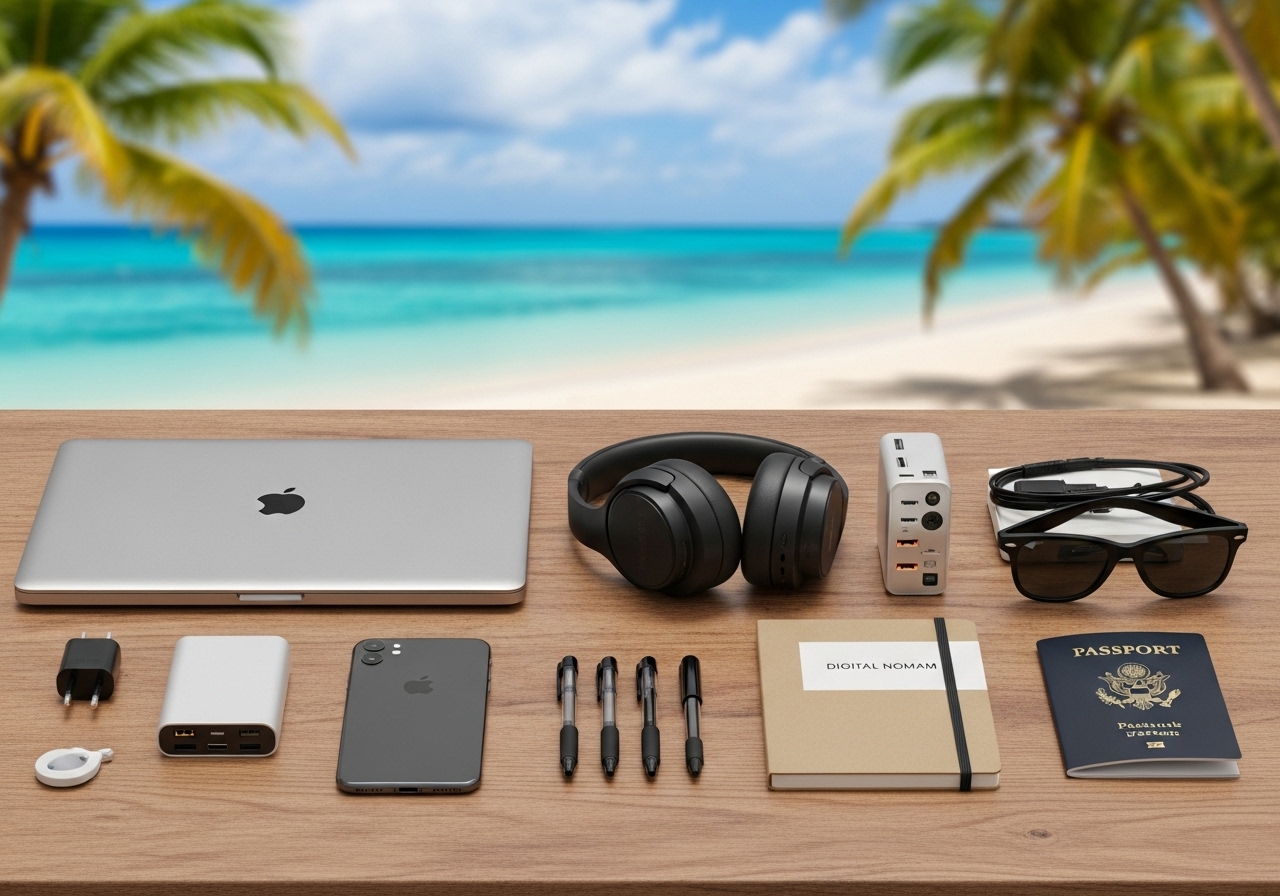
Tech Gear: Laptop, phone, chargers, universal adapter (Type D/G), power bank, noise-canceling headphones, and external hard drive for backups.
Clothing: Lightweight, breathable clothing, swimwear, cover-up for temple visits, light jacket for air-conditioned spaces, comfortable walking shoes, and sandals.
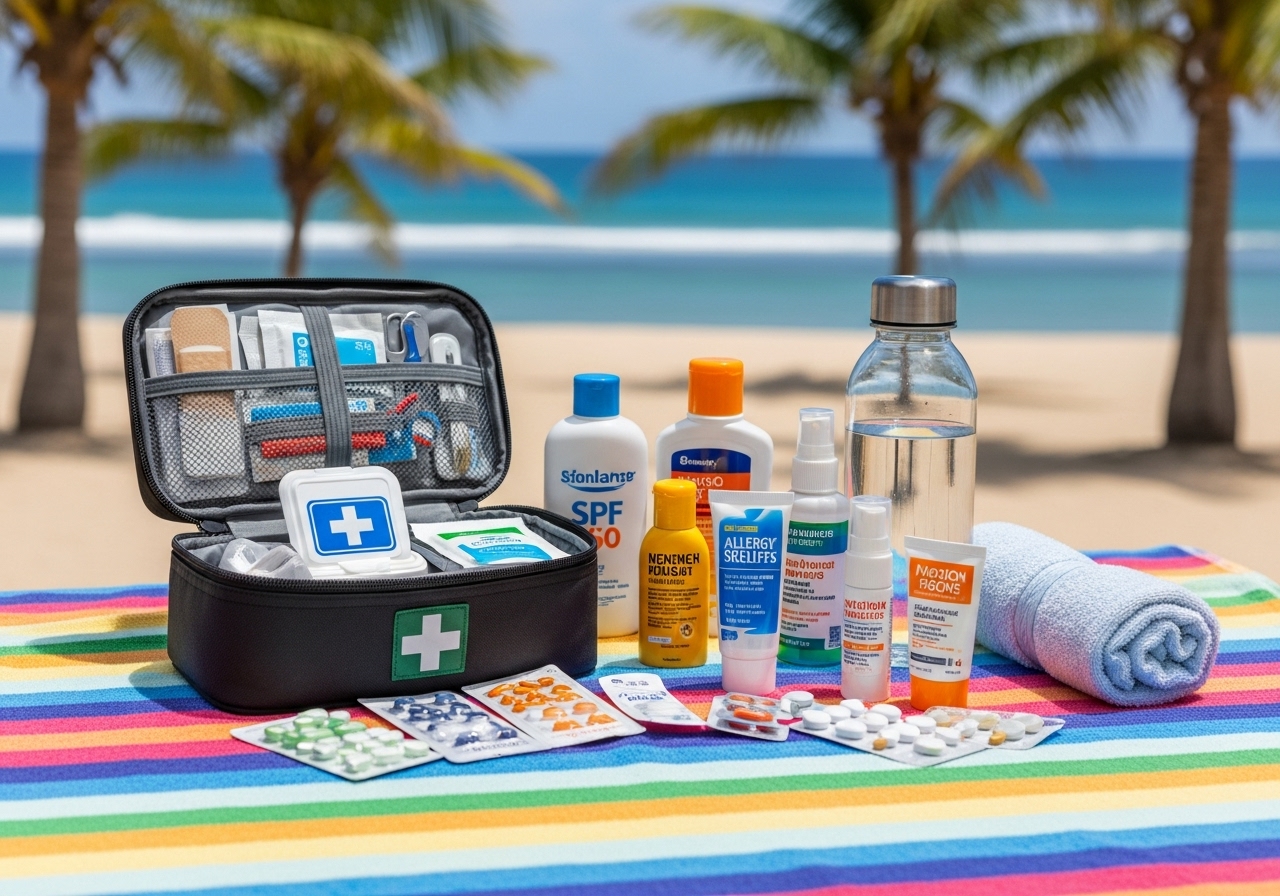
Health & Safety: Sunscreen (high SPF), insect repellent, basic first aid kit, any prescription medications, hand sanitizer, and reusable water bottle.
Work Items: Portable laptop stand, ergonomic mouse, notebook and pens, and any other items that help you work comfortably.
Productivity Tips
Establish a Routine: Create a consistent work schedule that aligns with your most productive hours and the local environment. Many nomads work early mornings and late afternoons, taking breaks during the hottest part of the day.
Find Your Ideal Workspace: Experiment with different workspaces—your accommodation, cafés, coworking spaces—to find what environment supports your best work. Some nomads rotate spaces to avoid monotony.
Manage Time Zones: If you're working with clients or teams in different time zones, use tools like World Time Buddy to coordinate meetings and establish clear communication windows.
Backup Your Work: Regular backups are crucial. Use cloud storage like Google Drive or Dropbox, and consider an external hard drive for additional redundancy.
Planning Checklist: Preparing for Your South Coast Adventure
Use this comprehensive checklist to ensure you're fully prepared for your digital nomad experience on Sri Lanka's South Coast.
1 Month Before Departure
- Research and book initial accommodation for first week
- Apply for Sri Lanka ETA (Electronic Travel Authorization) online
- Check passport validity (minimum 6 months beyond your stay)
- Visit travel clinic for recommended vaccinations
- Purchase comprehensive travel insurance
- Inform your bank of your travel plans
- Arrange international driving permit if planning to rent a scooter
- Research coworking spaces and cafés in your chosen base
- Join South Coast digital nomad Facebook groups
- Download offline maps (Google Maps, Maps.me)
2 Weeks Before Departure
- Confirm accommodation bookings and WiFi availability
- Pack essential tech gear and backup devices
- Arrange mail forwarding or hold if needed
- Set up automatic bill payments
- Download necessary apps (WhatsApp, Grab, banking apps)
- Purchase local currency for initial expenses
- Create digital copies of important documents
- Notify clients/colleagues of your travel plans and availability
- Set up email auto-responder if needed
- Research local SIM card options and coverage
1 Week Before Departure
- Finalize packing list and do a trial pack
- Charge all devices and pack chargers
- Print copies of important documents (passport, insurance, bookings)
- Arrange airport transportation
- Confirm any pre-booked tours or activities
- Set up work schedule and communication plan
- Download entertainment for flights and offline work
- Check visa requirements and ETA approval status
- Pack medications and first aid supplies
- Leave emergency contact information with family/friends
Upon Arrival
- Purchase local SIM card and activate data plan
- Test WiFi speed at accommodation
- Register with local police if staying more than 30 days (required)
- Locate nearest ATM, pharmacy, and grocery store
- Join local nomad WhatsApp groups and Facebook communities
- Scout coworking spaces and cafés in your area
- Establish daily routine and work schedule
- Exchange currency at bank or authorized exchange
- Learn basic Sinhala phrases for polite interaction
- Identify emergency contacts and services
During Your Stay
- Maintain regular backups of important work
- Stay connected with local nomad community
- Explore different towns and beaches on the coast
- Respect local customs and religious practices
- Monitor visa expiration and arrange extensions if needed
- Stay hydrated and protect yourself from the sun
- Try local foods and support local businesses
- Keep important documents secure
- Track expenses and manage budget
- Share experiences and recommendations with fellow nomads
Before Departure
- Settle all bills and accommodation payments
- Cancel local subscriptions and services
- Transfer remaining rupees back to home currency
- Leave reviews for accommodations and services
- Say goodbye to local friends and contacts
- Organize photos and memories from your stay
- Provide feedback to hosts and business owners
- Plan your next visit or extended stay
- Share your experience with the nomad community
- Reflect on lessons learned and personal growth

Quick Itinerary: Sample Schedules for Different Durations
1-Day Exploration (Galle Focus)
Morning (8:00 AM - 12:00 PM)
- Breakfast at café in Galle Fort
- Explore Galle Fort's historic streets and ramparts
- Visit Dutch Reformed Church and National Maritime Museum
- Coffee break at The Coffee Company
Afternoon (12:00 PM - 5:00 PM)
- Lunch at Fort restaurant
- Tuk-tuk to Unawatuna Beach (15 minutes)
- Beach time and swimming
- Visit Japanese Peace Pagoda
Evening (5:00 PM - 8:00 PM)
- Sunset drinks at beach bar in Unawatuna
- Seafood dinner at beachfront restaurant
- Return to accommodation
2-3 Day Nomad Orientation
Day 1: Galle & Unawatuna
- Morning: Explore Galle Fort, test WiFi at various cafés
- Afternoon: Unawatuna Beach, check out work-friendly restaurants
- Evening: Sunset drinks, meet other nomads
Day 2: Weligama Surf Test
- Morning: Travel to Weligama, surf lesson or session
- Afternoon: Work from beach café, test coworking spaces
- Evening: Community dinner or nomad meetup
Day 3: Mirissa Day Trip
- Morning: Travel to Mirissa, whale watching tour (seasonal)
- Afternoon: Beach time, work from café
- Evening: Sunset at Secret Beach, return to base
5-7 Day Immersion
Days 1-2: Base in Galle, explore Fort, test workspaces, visit Unawatuna Days 3-4: Move to Weligama, establish surf routine, join community events Day 5: Day trip to Mirissa or Tangalle Day 6: Focus work day, explore surrounding areas by scooter Day 7: Reflection, planning extended stay, farewell dinner
2-4 Week Settlement
Week 1: Orientation in chosen base, explore all towns, test various workspaces Week 2: Establish routine, join community activities, begin longer-term accommodation search Week 3: Deep dive into local culture, explore beyond main tourist areas Week 4: Evaluate experience, plan extended stay or departure, community integration
Responsible Travel: Being a Conscious Nomad
As digital nomads, we have the privilege of experiencing beautiful destinations around the world, and with that privilege comes responsibility. Here's how to be a conscious and respectful visitor on the South Coast.
Environmental Responsibility
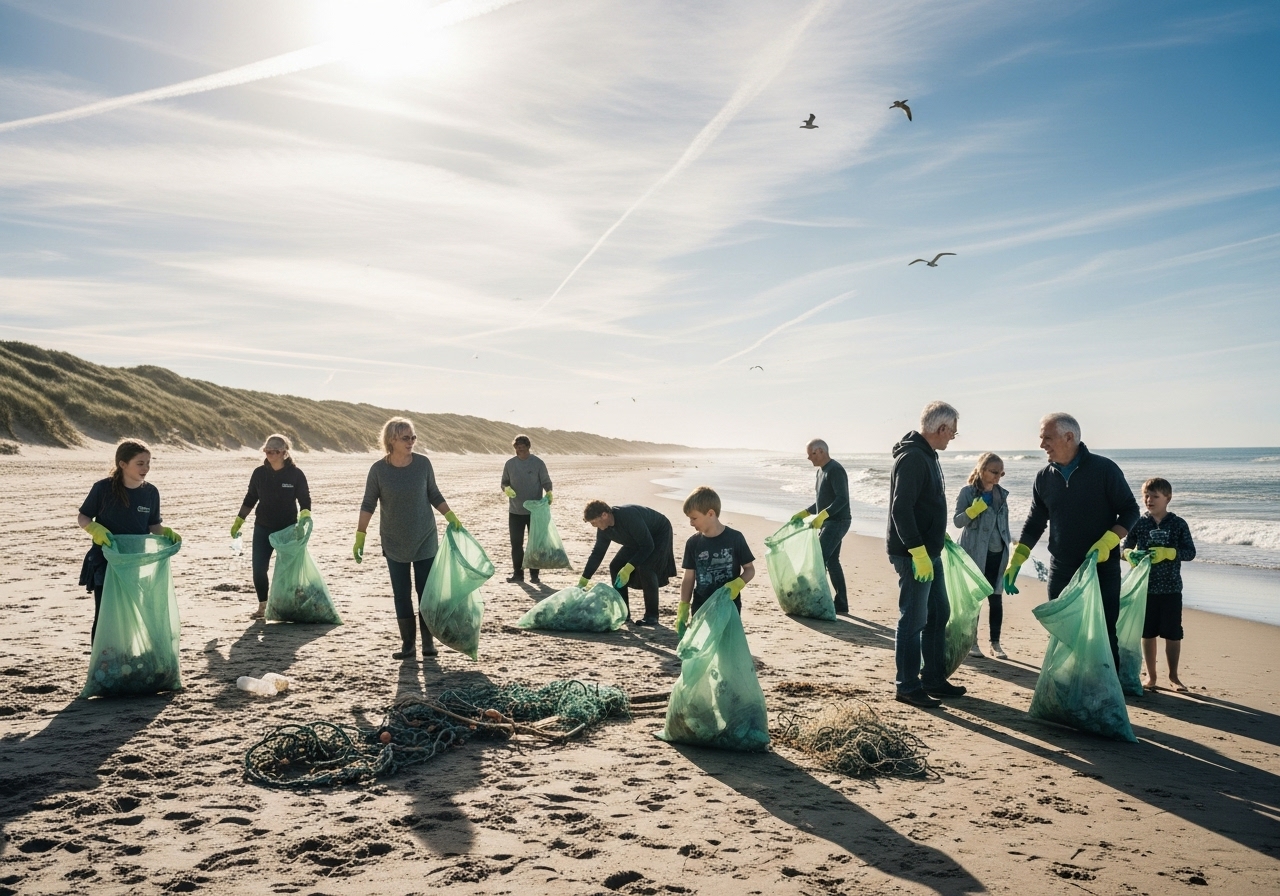
Reduce Plastic Use: Sri Lanka struggles with plastic pollution, especially on beaches. Carry a reusable water bottle, refuse single-use plastics, and participate in beach cleanups if organized. Many cafés offer discounts for bringing your own cup.
Conserve Resources: Be mindful of water and electricity usage, especially in areas where these resources are scarce. Take shorter showers, turn off AC and lights when leaving rooms, and report leaks or wasteful practices to accommodation owners.
Respect Wildlife: When whale watching or on wildlife tours, choose operators who follow responsible viewing guidelines. Never touch or feed wild animals, maintain appropriate distances, and support conservation efforts through reputable organizations.
Cultural Respect
Support Local Businesses: Choose locally-owned restaurants, guesthouses, and tour operators over international chains. Your money stays in the community and supports genuine local entrepreneurship.
Learn Basic Sinhala: Even a few words of Sinhala (the local language) go a long way in building connections. Learn greetings like "Ayubowan" (hello), "Isthuthi" (thank you), and "Kohomada" (how are you).
Dress Appropriately: While beachwear is fine on the sand, dress modestly when visiting towns, temples, or religious sites. This shows respect for local customs and helps maintain positive relationships between visitors and residents.
Community Engagement
Give Back: Consider volunteering your skills with local organizations, whether it's teaching English, helping with marketing for local businesses, or participating in community projects. Many nomads find this the most rewarding part of their experience.
Share Knowledge: The local community is often curious about remote work and digital skills. Share your knowledge through informal workshops, mentoring, or simply answering questions. This exchange benefits everyone.
Be a Good Neighbor: Respect noise levels, especially in residential areas. Build positive relationships with neighbors and local business owners. Remember that you're a guest in their community, even if you're staying for months.
Ethical Photography
Ask Permission: Always ask before photographing people, especially children, religious ceremonies, or individuals going about their daily lives. Some cultures believe photographs capture the soul, and others may have legitimate privacy concerns.
Respect Sacred Sites: Many temples and religious sites prohibit photography or restrict it to certain areas. Always follow posted rules and ask if unsure. Never photograph religious ceremonies without explicit permission.
Represent Authentically: When sharing photos on social media, represent the destination authentically. Avoid over-editing or creating unrealistic expectations that could harm local communities or environments.
FAQ
Is the South Coast safe for solo female digital nomads?
Yes, the South Coast is generally safe for solo female travelers, including digital nomads. The local culture is respectful, and violent crime against tourists is rare. However, standard precautions apply: avoid isolated areas at night, dress modestly in towns and religious sites, and trust your instincts. The growing nomad community provides additional support and connections for solo female travelers.
How reliable is the internet for remote work?
Internet reliability has improved significantly on the South Coast, with fiber optic connections becoming standard in newer accommodations and commercial areas. Speeds typically range from 30-100 Mbps download, which is sufficient for most remote work needs including video calls. However, connectivity can be less reliable in more remote areas or during power outages. Having a mobile data backup is recommended.
Do I need a visa to work remotely from Sri Lanka?
Sri Lanka's ETA (Electronic Travel Authorization) allows tourism visits, and technically, working remotely while on a tourist visa exists in a gray area. Many digital nomads work from Sri Lanka on tourist visas without issues, but you should be aware that this is not officially sanctioned. For extended stays, consider consulting with Sri Lankan immigration authorities about appropriate visa options.
What's the best town for digital nomads on the South Coast?
The "best" town depends on your priorities. Weligama is ideal if surfing and an active nomad community are important. Galle offers the most developed infrastructure and cultural depth. Unawatuna provides a balance of beach lifestyle and amenities. Mirissa offers tranquility, while Tangalle provides the best value for long-term stays. Many nomads start in one town and explore others before settling.
How much money do I need per month?
A comfortable monthly budget for a digital nomad on the South Coast ranges from LKR 120,000-180,000 ($375-560). This includes mid-range accommodation, regular dining at cafés and restaurants, transportation, coworking space membership, and activities. Budget travelers can manage on LKR 80,000-100,000 ($250-310), while those seeking luxury can spend LKR 200,000+ ($625+) per month.
Can I rent a scooter without a license?
No, you need a valid international driving permit (IDP) along with your home country driver's license to legally rent a scooter in Sri Lanka. Police checks are common, especially in tourist areas, and riding without proper documentation can result in fines. Always wear a helmet—this is legally required and strictly enforced.
What's the healthcare situation like?
Galle has the best medical facilities on the South Coast, including both public and private hospitals. For serious medical issues, Colombo's private hospitals offer the highest standard of care. Pharmacies are well-stocked in major towns. Comprehensive travel insurance that covers medical evacuation is strongly recommended.
Is English widely spoken?
Yes, English is widely spoken in tourist areas, especially by younger generations and those working in the hospitality industry. You'll have no problem communicating in cafés, hotels, and with transportation providers. Learning a few basic Sinhala phrases is appreciated and can enhance your experience.
What's the best time of year to visit?
The best time to visit the South Coast is during the dry season from November to April, when you'll experience sunny days, calm seas, and optimal conditions for beach activities and surfing. December and January are the busiest months with the best weather but also the highest prices and crowds. The monsoon season (May-October) offers lower prices and fewer visitors but less favorable weather.
How do I handle payments and money?
The local currency is the Sri Lankan Rupee (LKR). While some businesses accept US dollars, you'll get better rates paying in rupees. ATMs are widely available in major towns, and credit cards are accepted in larger establishments. Always carry cash for markets, street food, and transportation. Inform your bank of your travel plans to avoid blocks on international transactions.
Have you experienced the digital nomad lifestyle on Sri Lanka's South Coast? Share your experiences in the comments below or tag us in your photos on social media!
Enjoyed this article?
Share it with fellow travelers planning their Sri Lanka adventure!